Style Atlas / Shaker Simplicity
Shaker Simplicity
Nineteenth-century American restraint expressed through matte timber, peg rails, exact joinery, and handwoven linen. Plain daylight and sparse practical furnishings create a serene setting shaped by usefulness rather than display.
United States19th centurySereneAutumnDaylight
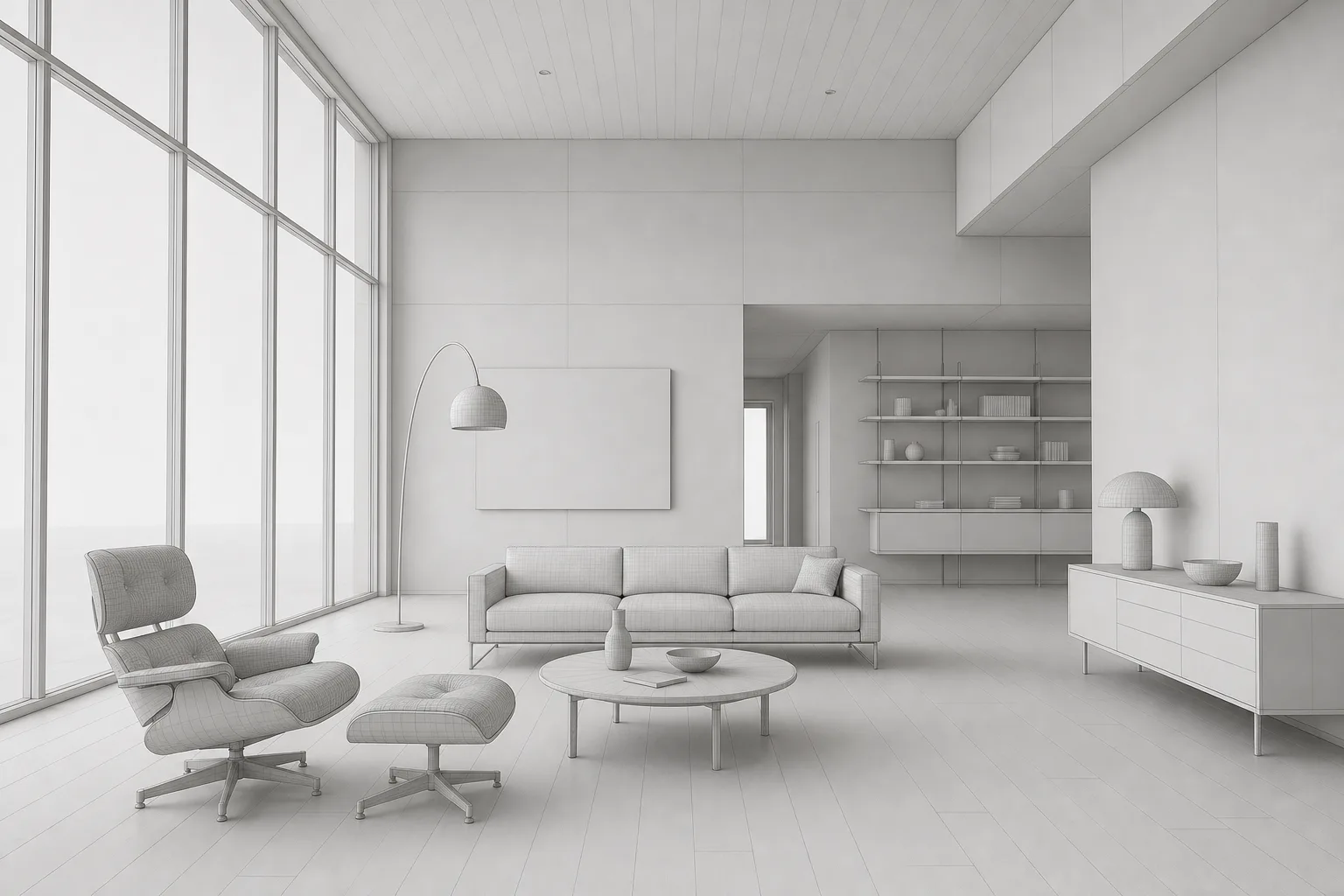
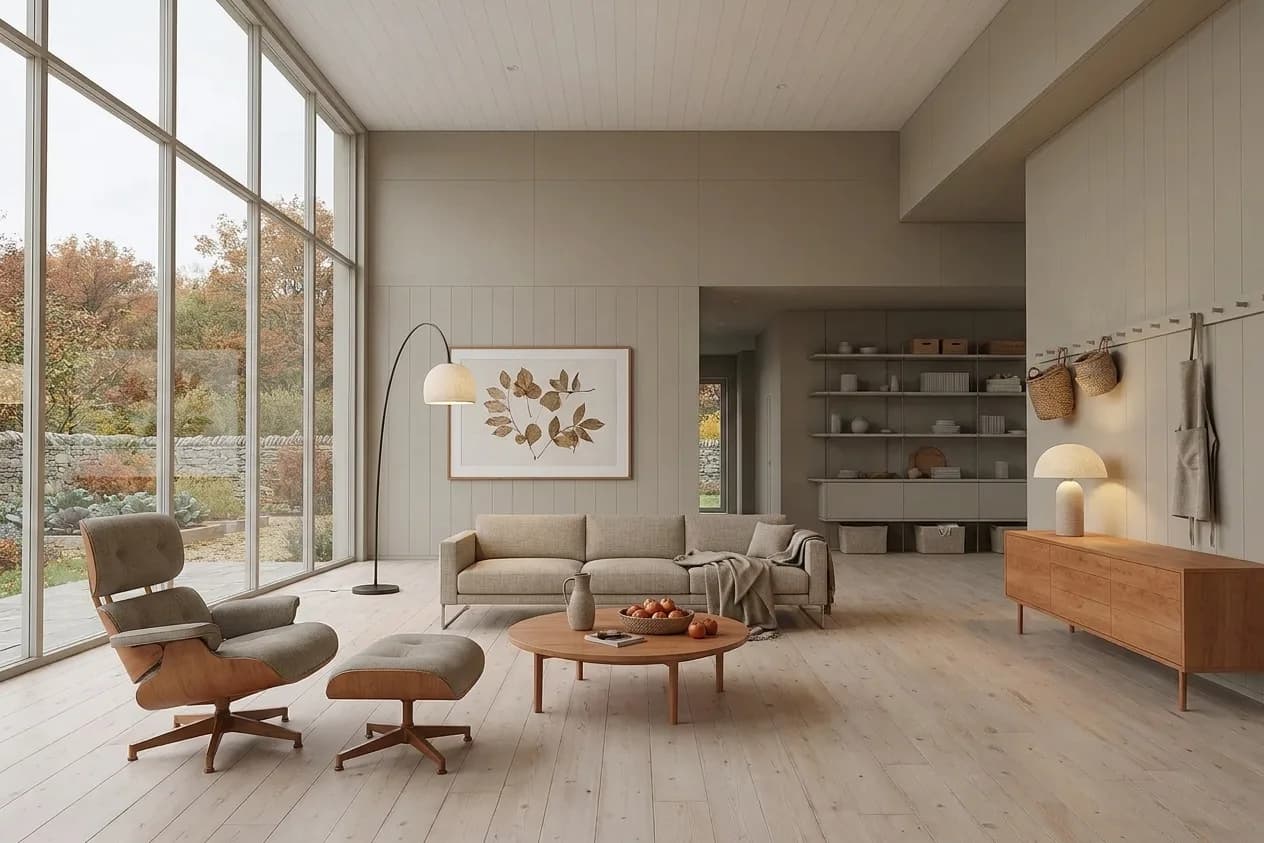
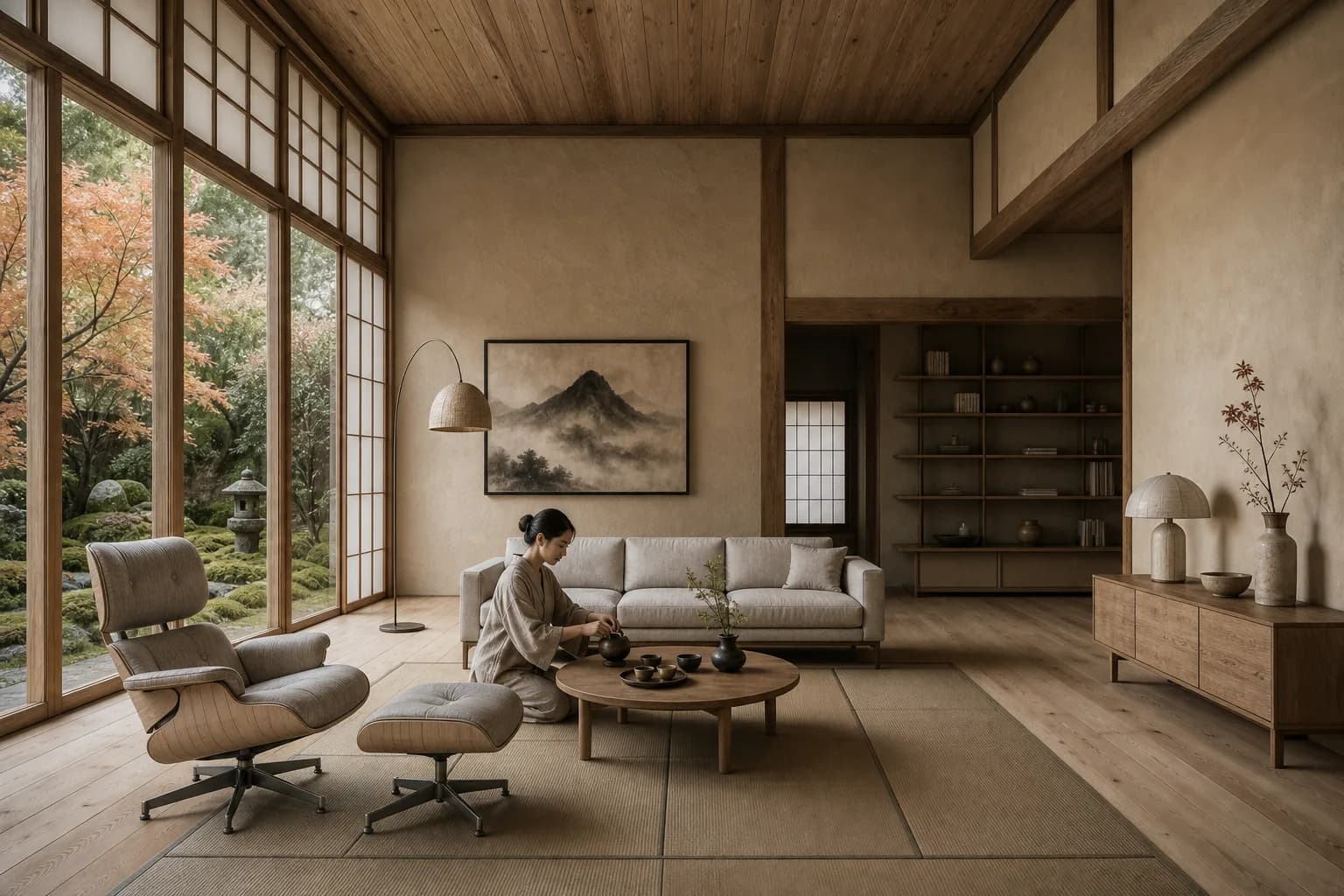
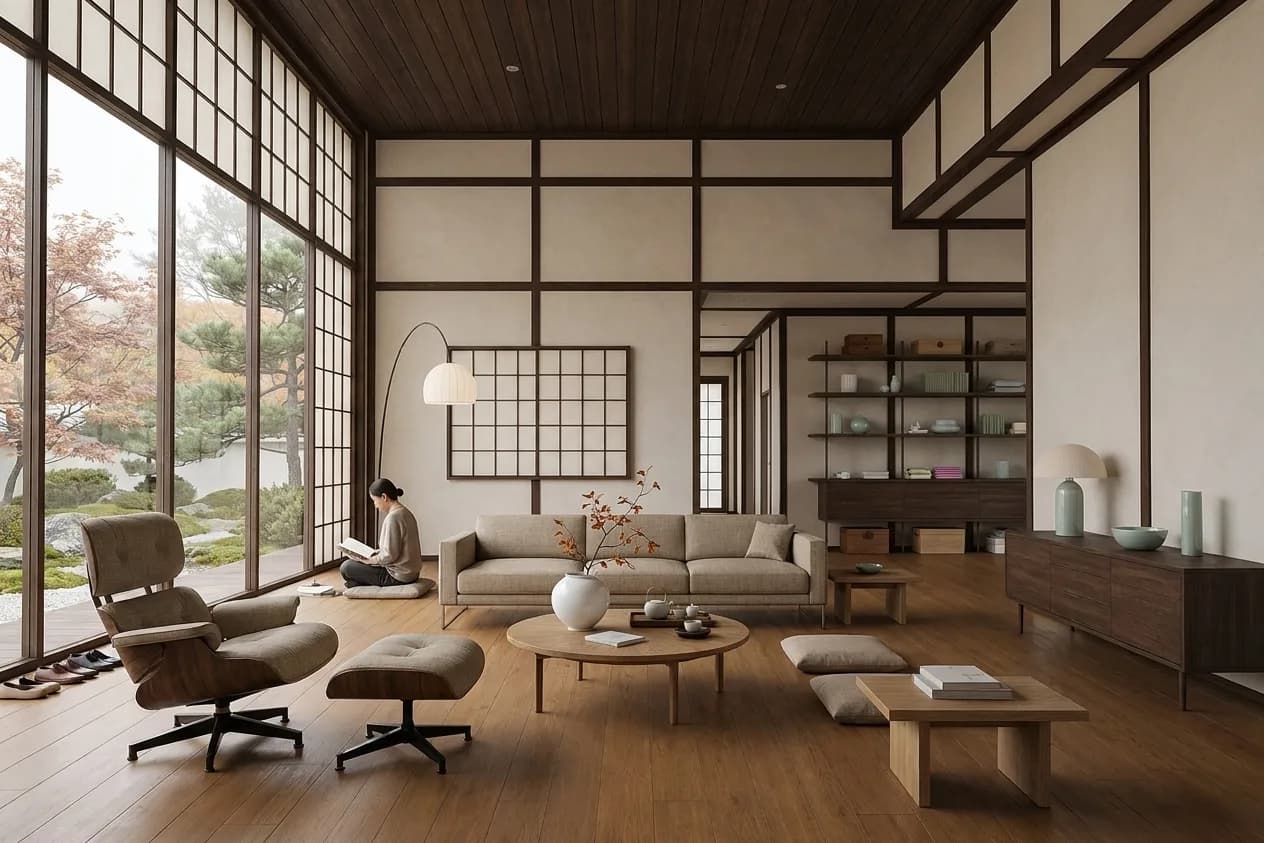
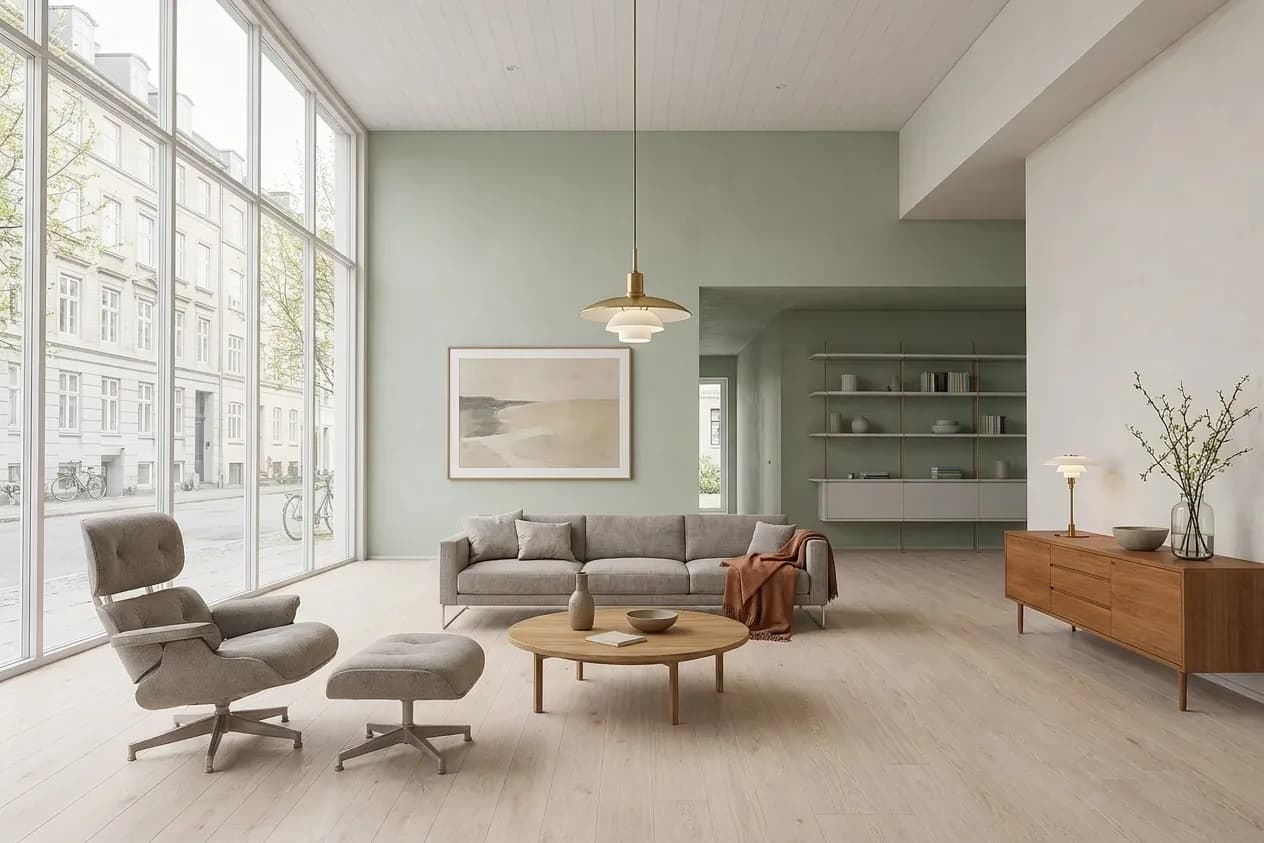
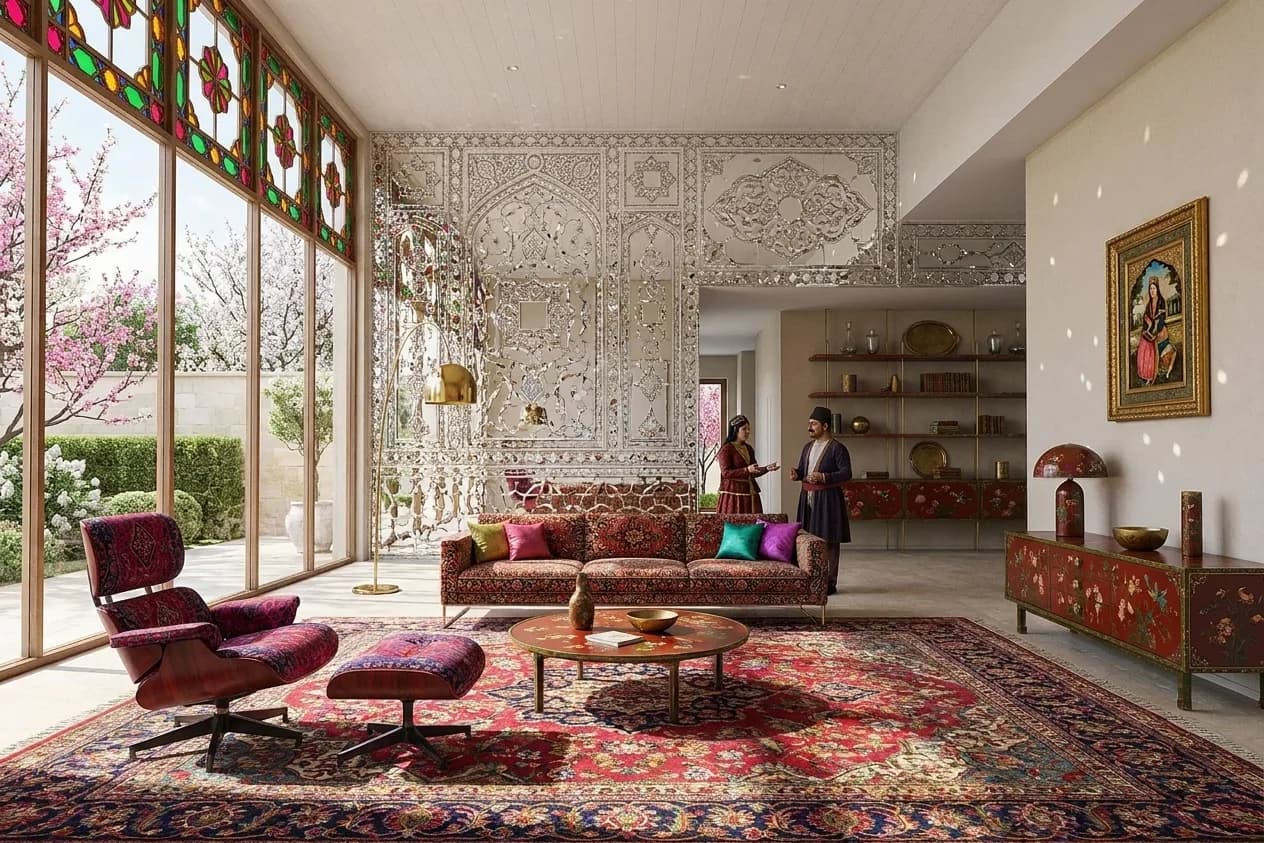
Same scene, same camera — only the style changes.
The composition
Applying this preset writes these five fields onto your project. Every one is editable after you apply it.
- Style
- Shaker simplicity follows the nineteenth-century American communal tradition, where usefulness and restraint govern every choice. Plain surfaces, peg rails, and exact joinery replace display. Proportion is measured, timber work reads clearly, and each object appears necessary. Applied details remain narrow and disciplined, preserving the existing enclosure while giving it quiet order. The register is monastic but humane, carried by muted earth color and careful handwork.
- Scene
- The project sits within a quiet agrarian context of orchard trees, open field, mature maple, and simple stone boundaries. Autumn grass and fallen leaves bring muted ochre, russet, and olive to an otherwise restrained environment. Thresholds are plain and practical, connecting shelter with cultivated ground through honest weathering and minimal intervention. The broader atmosphere is peaceful, industrious, and free of display, allowing seasonal change and the steady rhythm of daily work to define the setting.
- Lighting & Atmosphere
- Plain daylight enters evenly, cool enough to clarify edges without making the scene austere. Soft autumn sun may touch one wall or table, while broad shadows retain detail. Artificial light is limited to simple shaded lamps with warm, low output. The air feels clean and still. Contrast remains gentle, supporting the matte finishes, restrained palette, and unhurried character of a place arranged for useful work.
- Materials & Textures
- Matte-painted timber in warm white, putty, sage, or charcoal covers cabinetry, doors, and fitted panels. Natural maple, cherry, or pine appears at work surfaces and chair frames. Peg rails run as applied wall fittings. Floors use scrubbed boards, brick, or honed stone. Handwoven linen, wool, rush seats, and plain ceramics introduce quiet texture. Joinery is exact, visible, and free from decorative hardware.
- Entourage & Activity
- Ladder-back chairs, trestle tables, wooden benches, and lidded boxes provide the essential furnishings. A folded linen cloth, shallow basket of apples, stoneware pitcher, and a few hand tools suggest routine work without clutter. A simple framed botanical painting depicts delicate meadow leaves and seed heads in muted natural tones. One figure may read, prepare food, or mend fabric in plain neutral clothing. Activity remains slow and purposeful, reinforcing domestic skill and the value of objects made to last.