Style Atlas / Vienna Secession
Vienna Secession
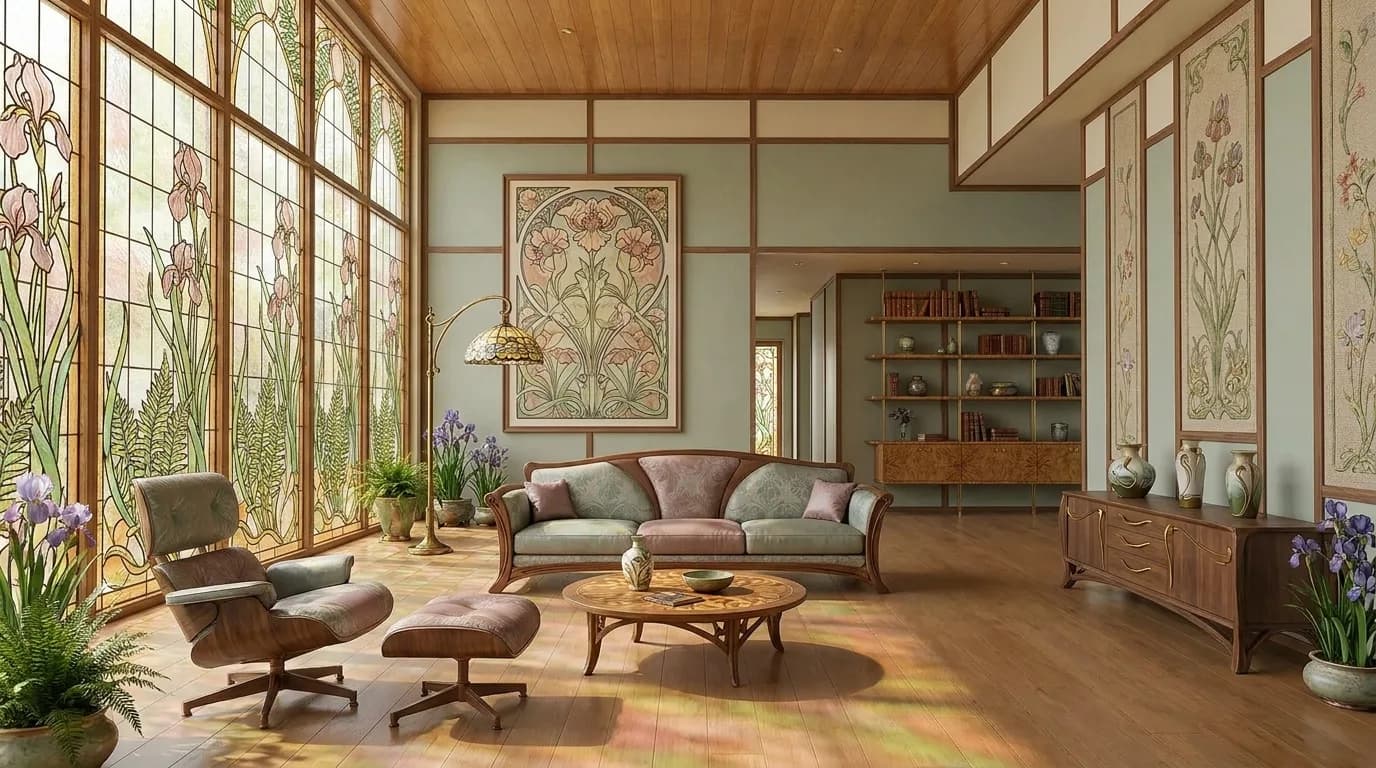
Vienna Secession pairs rigorous black-and-white geometry with measured gold, mosaic, bentwood, and stylized floral ornament. Clear daylight keeps the fixed scene disciplined and legible while preserving a distinct sense of cultivated luxury.
AustriaEarly ModernOpulentAll-seasonDaylight
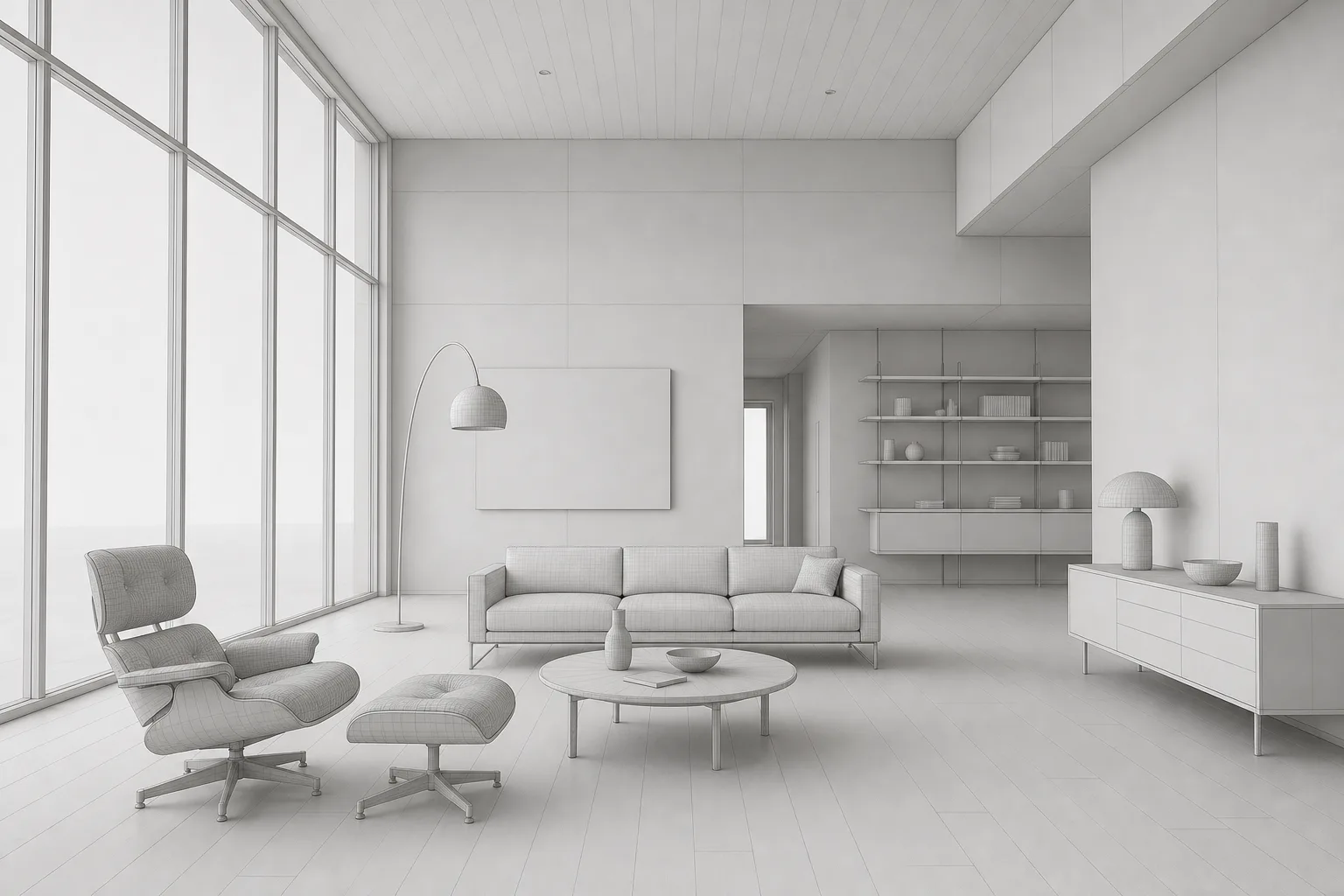
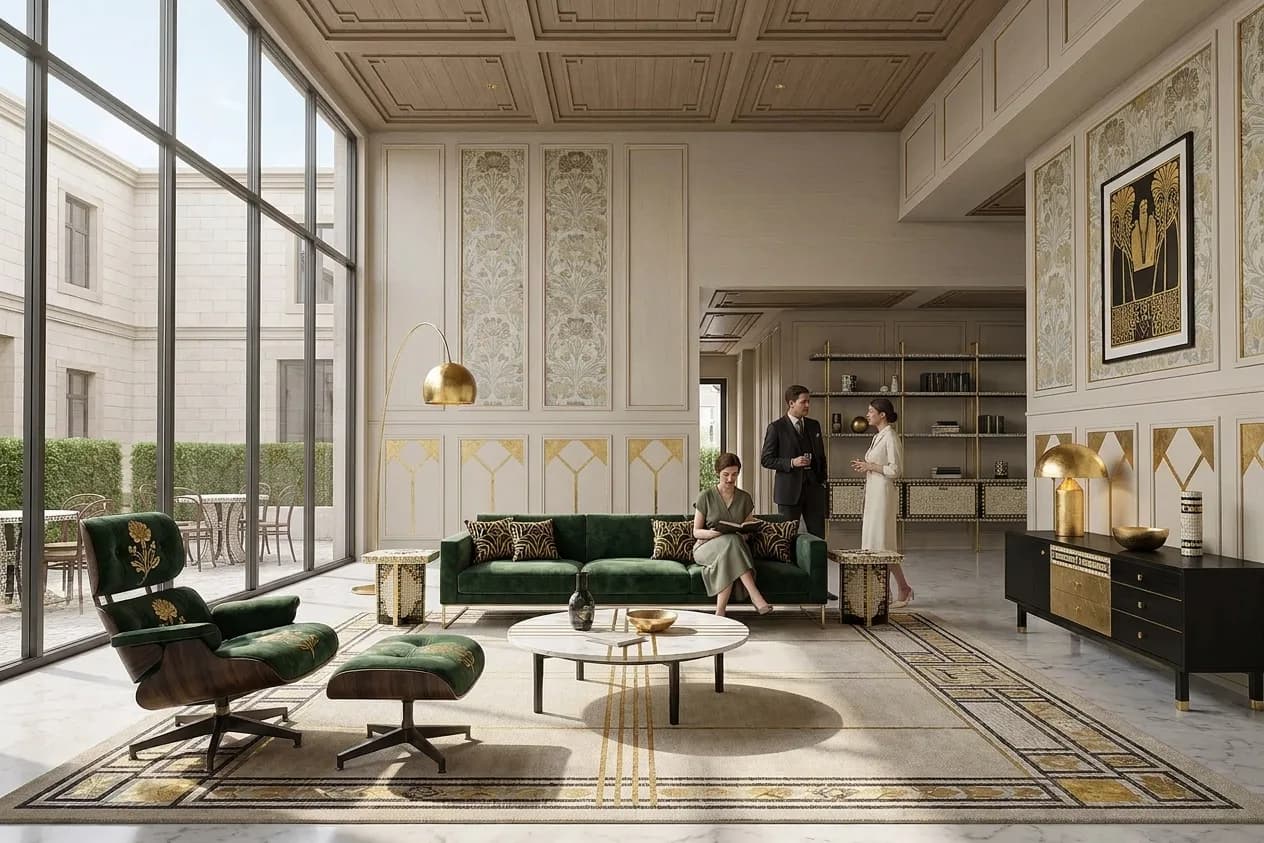
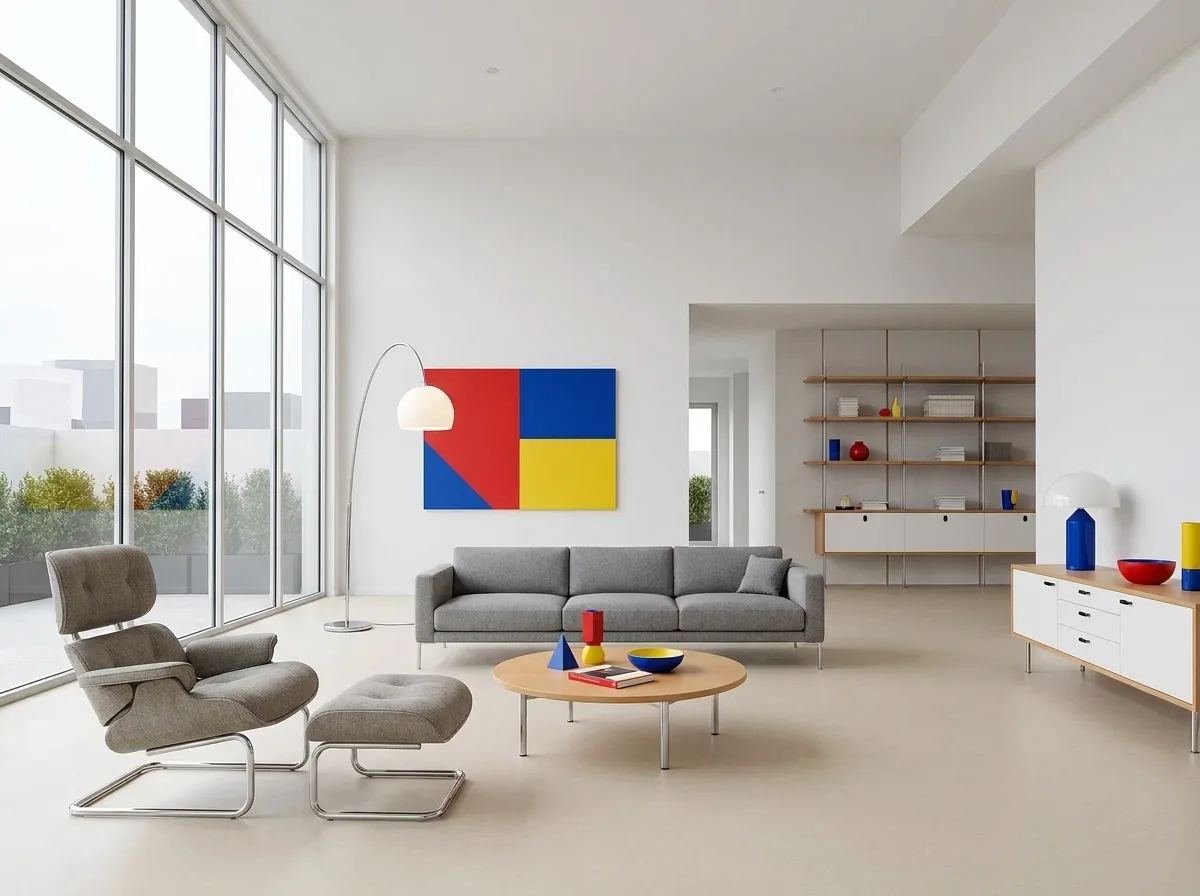
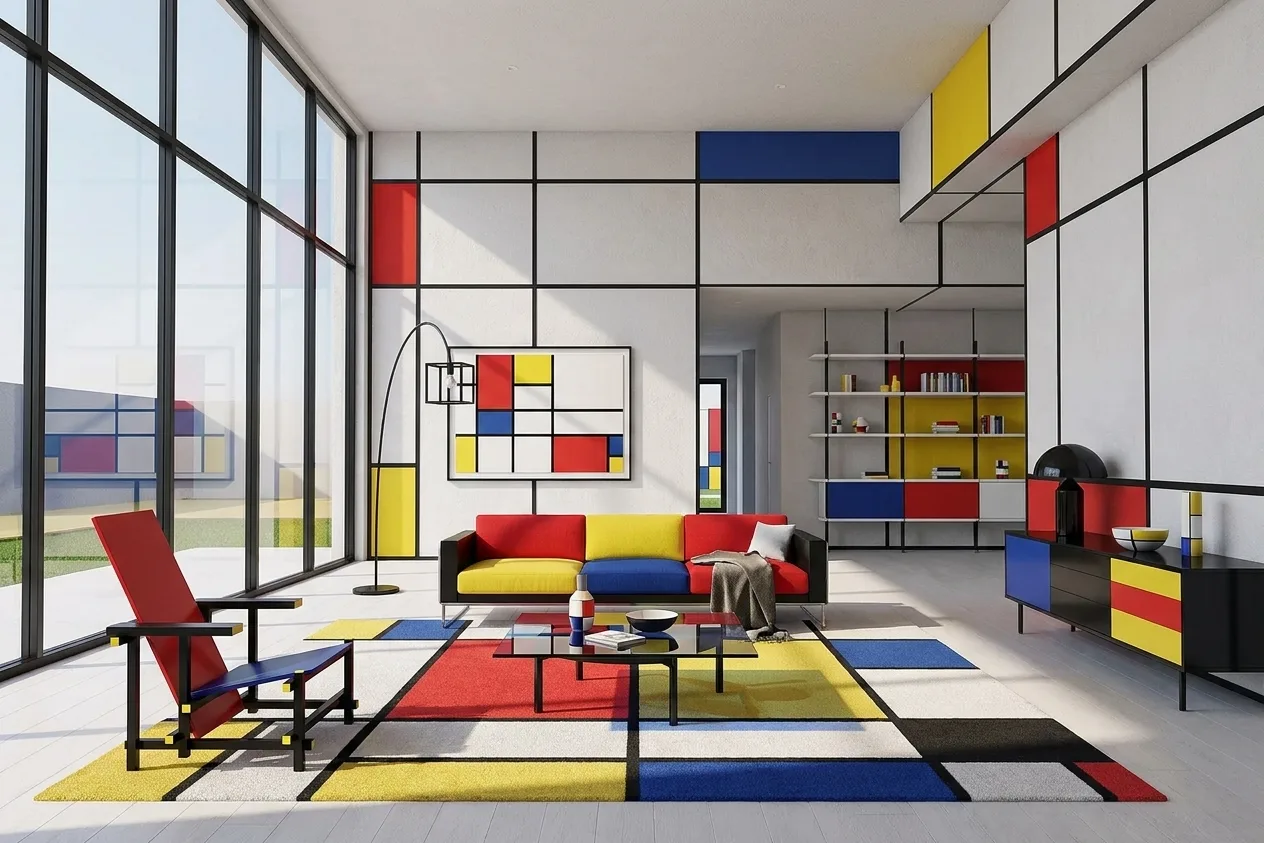
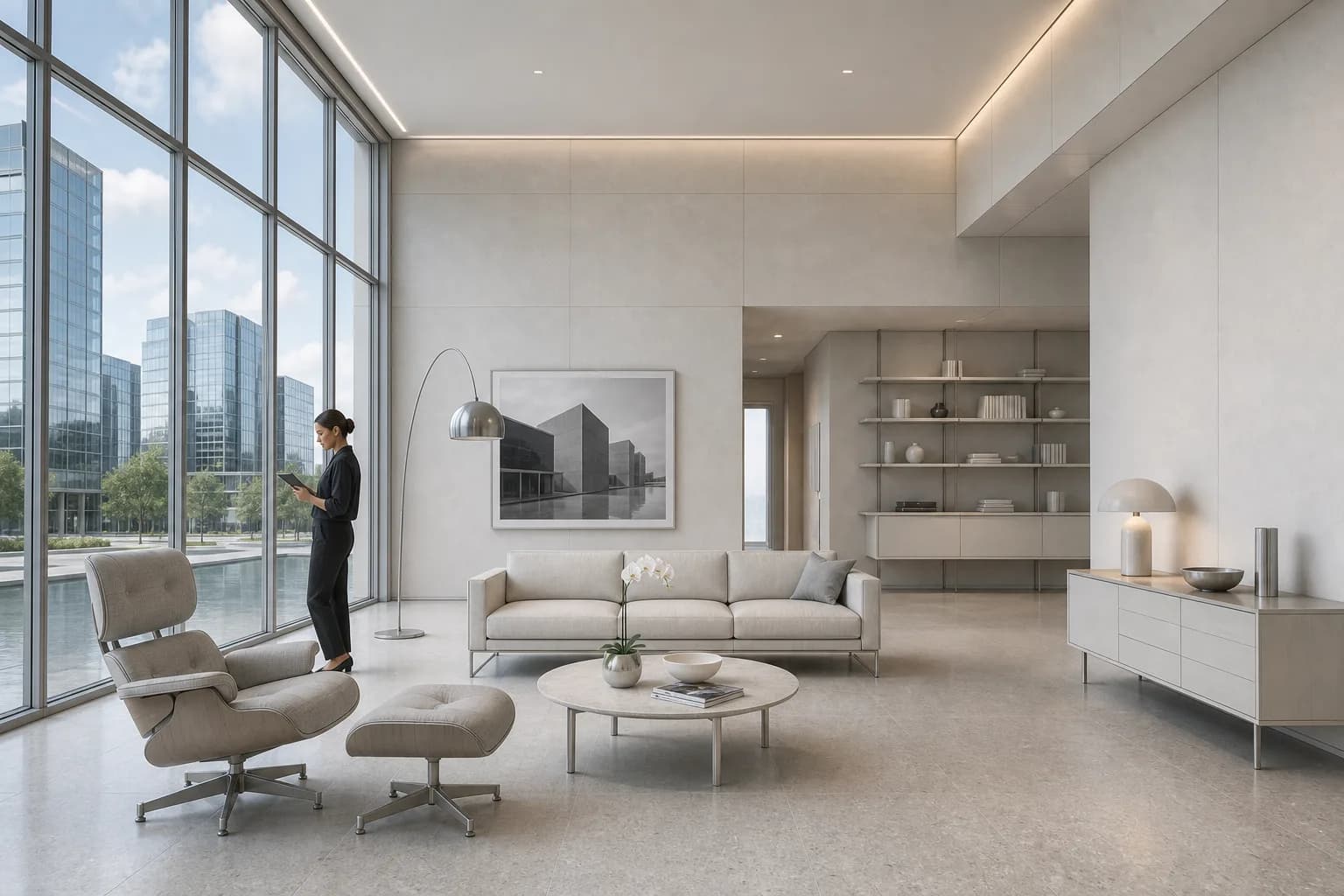
Same scene, same camera — only the style changes.
The composition
Applying this preset writes these five fields onto your project. Every one is editable after you apply it.
- Style
- Vienna Secession combines geometric discipline with concentrated ornamental luxury. Black-and-white grids establish order across applied panels, rugs, screens, and joinery, while gold leaf and stylized floral motifs provide controlled emphasis. Bentwood furniture softens the geometry without weakening it. The existing envelope remains intact; distinction comes from repeated squares, circular inlays, linear moldings, and mosaic-like surfaces. The result is formal, crafted, and opulent without becoming visually congested.
- Scene
- The project sits within a cultivated Central European context of pale masonry, clipped planting, patterned paving, and a refined urban garden edge. The surroundings should feel artistic and intentional without depending on a historic property type. Thresholds carry controlled ornament, seasonal greenery, and quiet color between sheltered and exposed conditions. The broader atmosphere is poised, cerebral, and gently ceremonial, balancing turn-of-the-century cultural confidence with a calm sense of everyday inhabitation.
- Lighting & Atmosphere
- Clear daylight defines black-and-white patterning and gives gold-leaf accents a dry, precise gleam. Shadows remain moderate and edges legible, avoiding the heavy amber cast of later historicist interiors. Opal glass and brass fixtures add warm points without dominating the daylight. The atmosphere is ceremonious but calm, with a clean all-season brightness that holds geometric order and decorative detail in equal balance. Mosaic surfaces catch light selectively rather than sparkling throughout.
- Materials & Textures
- Ebonized timber, pale painted wood, bent beech, brass, and white marble establish a disciplined base. Gold leaf appears on narrow moldings, hardware, and small applied ornaments rather than broad surfaces. Mosaic is used for panels, tabletops, and inlaid bands, combining cream, black, muted green, and restrained jewel tones. Upholstery favors velvet, leather, or patterned wool, while stylized floral designs remain flattened, symmetrical, and integrated with the surrounding grid.
- Entourage & Activity
- Slender vases, metal bowls, graphic prints, and carefully placed flowers reinforce the union of geometry and botanical abstraction. People gather for conversation, reading, dining, or a formal arrival, dressed in dark tailoring, ivory, and muted green with limited metallic detail. Objects are curated rather than accumulated. Lettering, where present, uses compact geometric forms. The scene feels cultured and composed, with activity unfolding around furniture rather than decorative spectacle.