Style Atlas / Levantine Ablaq
Levantine Ablaq
Alternating black-and-cream stone, walnut inlay, brass, and striped textiles give the scene a disciplined Levantine intensity. Hard summer sun sharpens the banding and shadow without requiring historical reconstruction or geometric change.
Levant19th centuryDramaticSummerHard sun
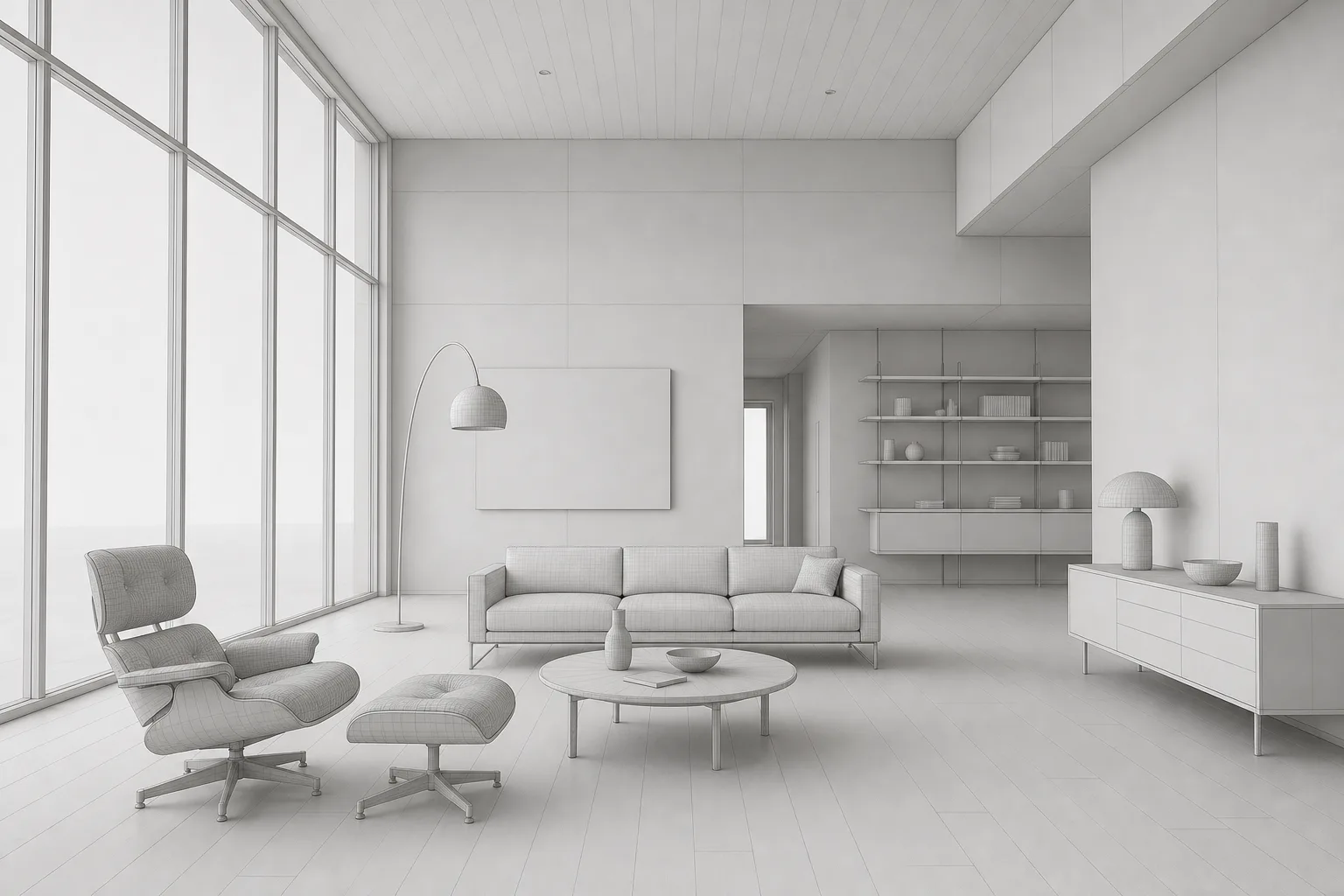
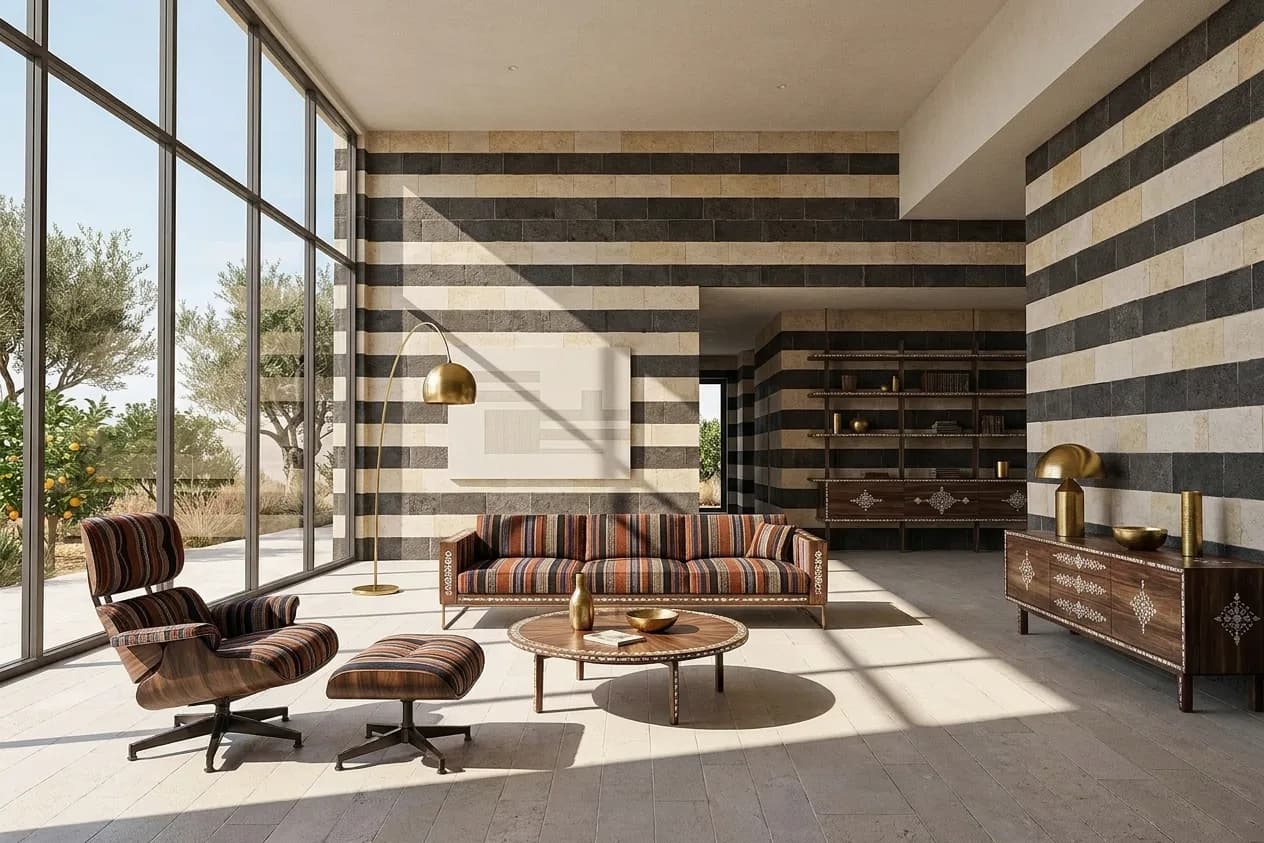
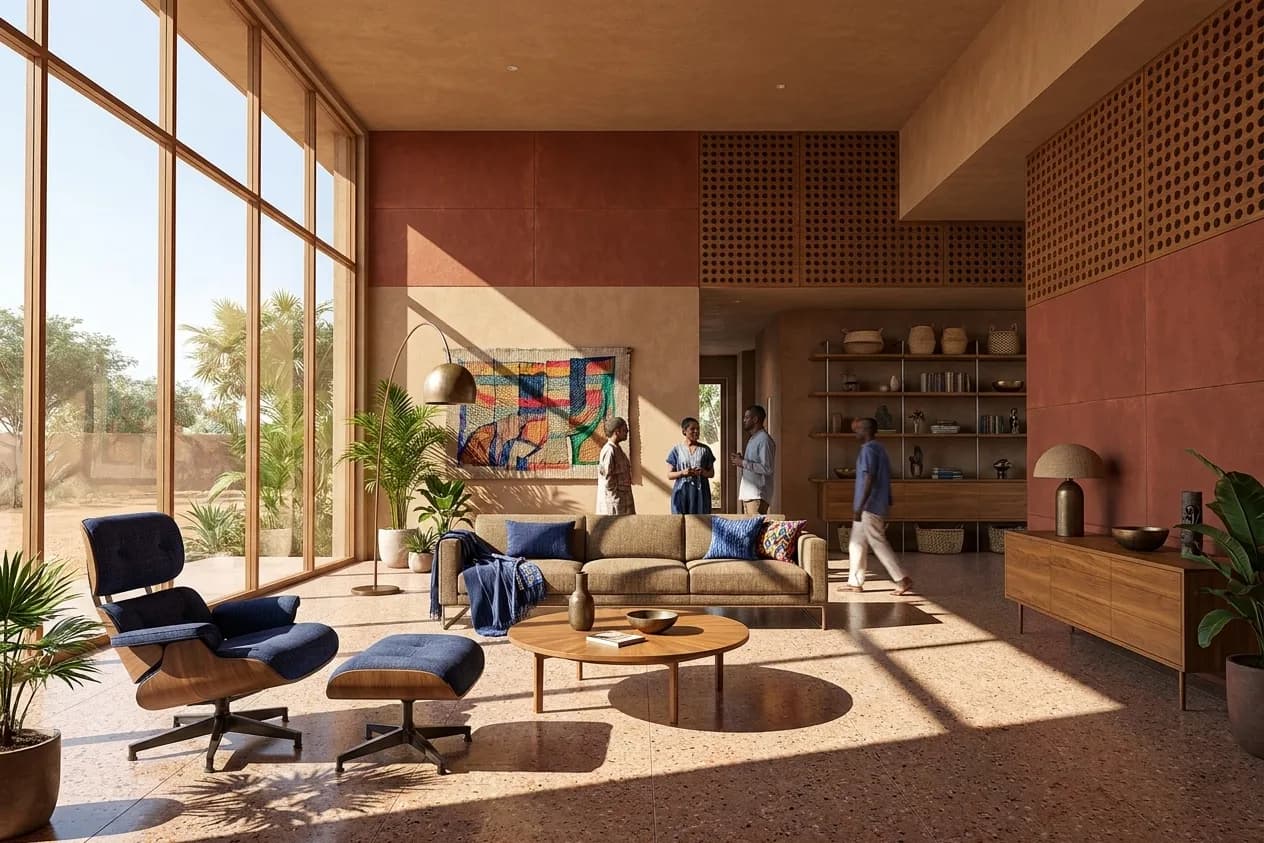
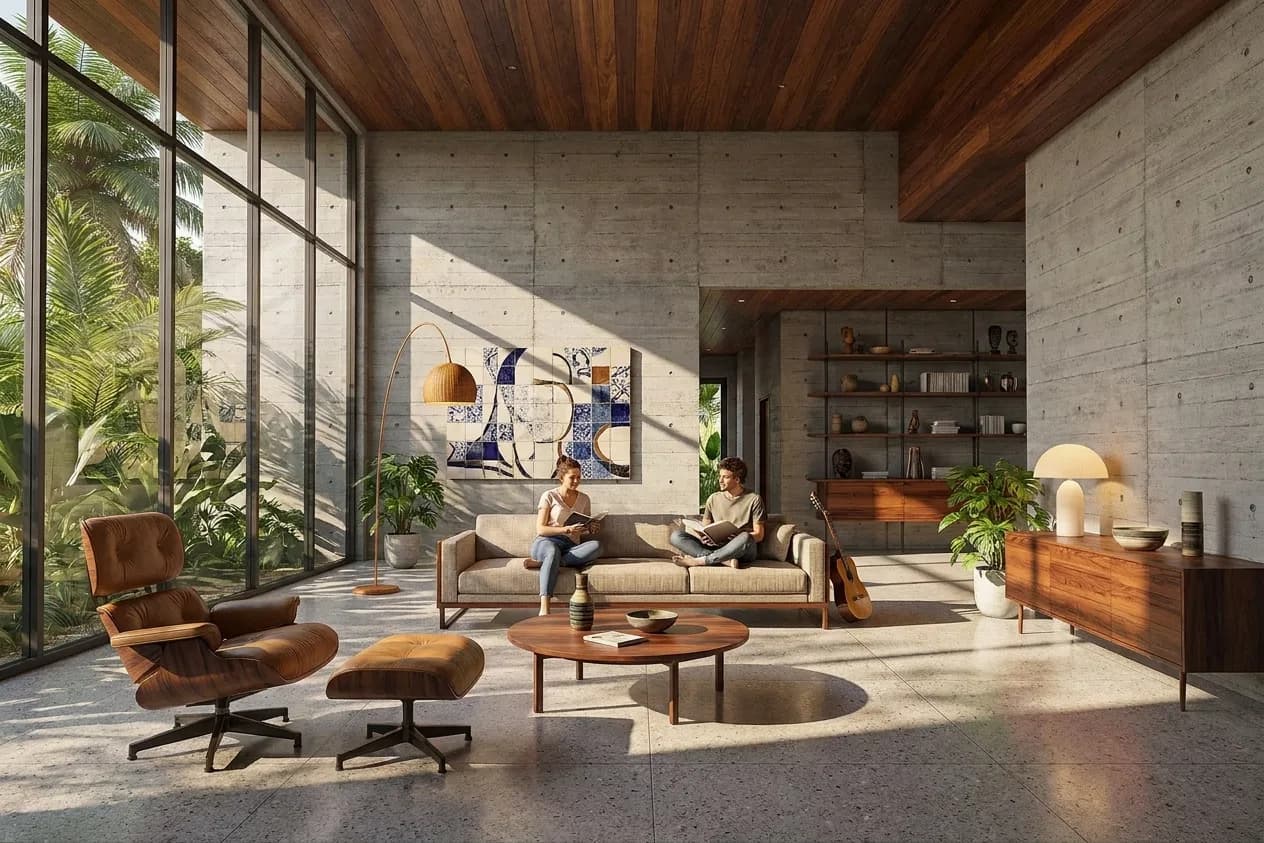
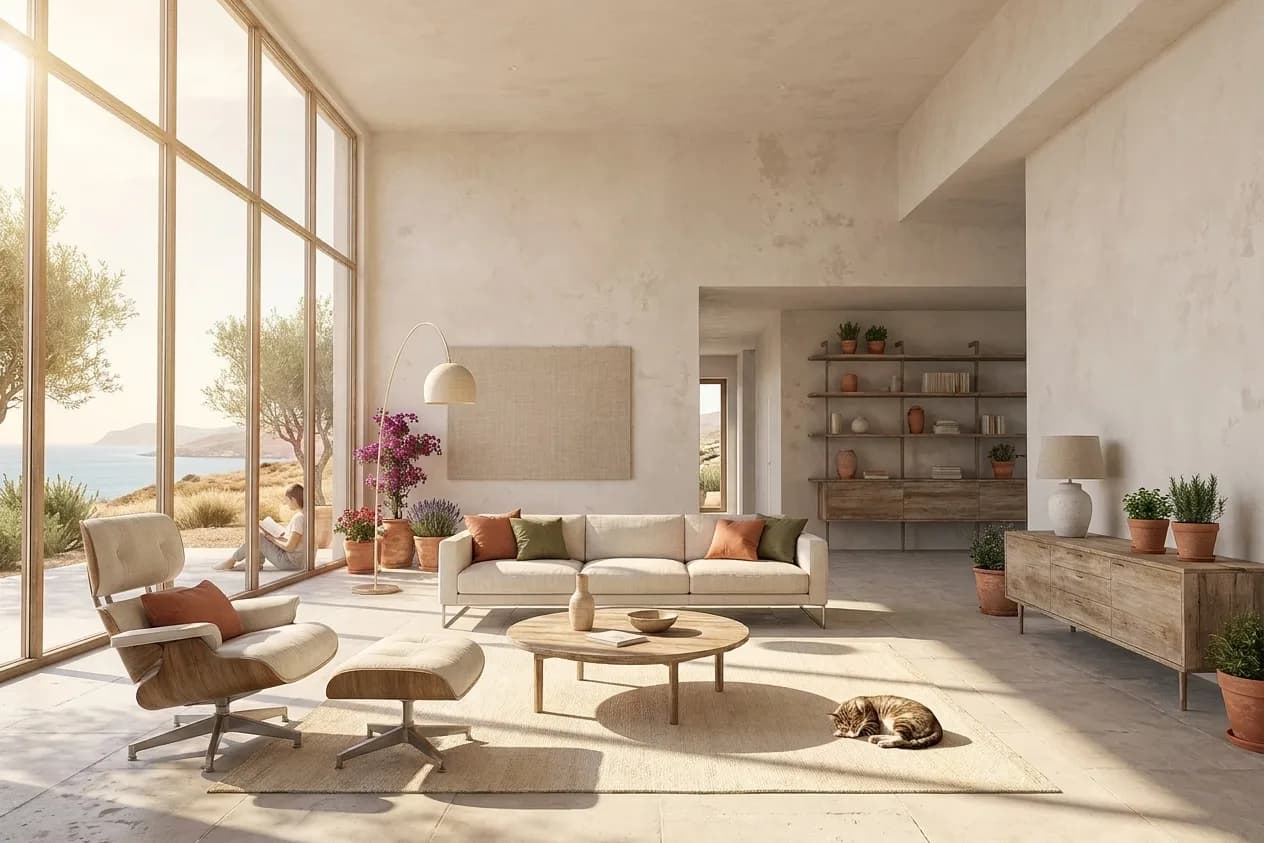
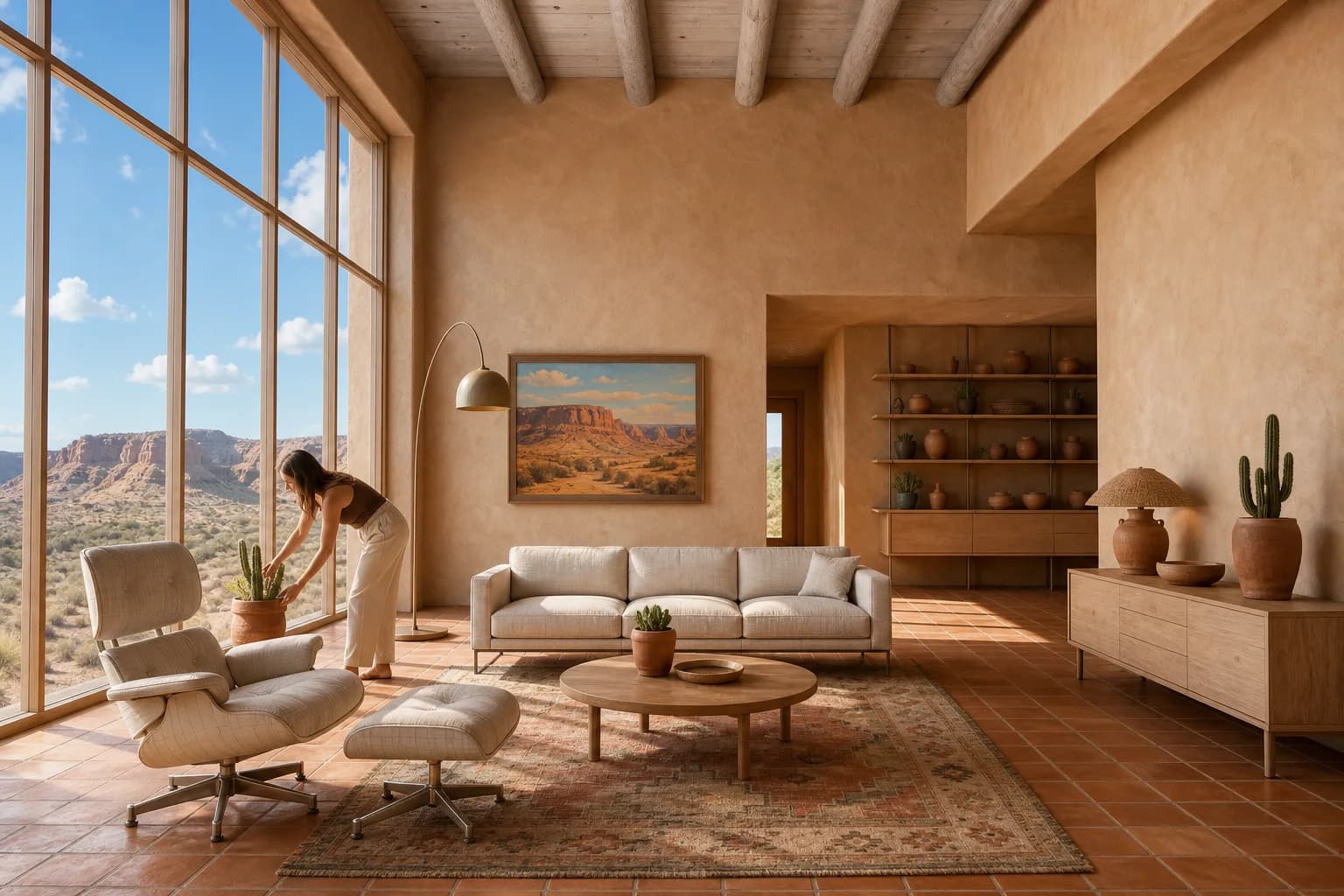
Same scene, same camera — only the style changes.
The composition
Applying this preset writes these five fields onto your project. Every one is editable after you apply it.
- Style
- Levantine ablaq is expressed as a strong applied rhythm of alternating dark and pale stone across existing wall fields, thresholds, and surface divisions. The banding is exact but not mechanical, with natural variation softening its graphic force. Walnut furniture and joinery inlaid with mother-of-pearl add finer scale, while brass and striped woven textiles reinforce the cadence. The register is dramatic and dignified, built from contrast, craft, and hard light rather than new structural forms.
- Scene
- The project sits within a sun-struck Levantine context of alternating pale and dark stone, dry planting, olive, citrus, and dense urban grain. The surroundings may be compact or open, but mineral heat and deep shade define the environmental character. Thresholds connect exposed paving with cooler sheltered conditions through climbing greenery and weathered masonry. The broader atmosphere feels historic, inhabited, and resilient, carrying the contrast between bright summer streets and temperate refuge.
- Lighting & Atmosphere
- Strong summer sun produces crisp-edged shadow and makes the black-and-cream stone bands read with immediate clarity. Pale stone returns a warm reflected glow, while dark courses remain dense and cool. Mother-of-pearl inlay catches brief points of iridescence; brass holds a dry golden highlight rather than a mirror shine. Shade is deep but legible, with striped textiles bridging the transition. The atmosphere is formal, sun-hardened, and composed, using contrast as the principal source of drama.
- Materials & Textures
- Alternating courses of charcoal basalt or dark limestone and warm cream limestone establish the ablaq pattern as veneer, paving, or bounded wall finish. Joints are fine but visible, preserving the weight of individual stones. Walnut appears on cabinets, screens, tables, and door surfaces, enriched with restrained mother-of-pearl inlay. Hammered brass supplies trays and fittings. Woven stripe textiles in rust, indigo, cream, and black add softness against stone, alongside lime plaster and worn leather.
- Entourage & Activity
- A walnut bench or low table, striped cushions, and a woven rug establish practical occupation without weakening the stone geometry. A brass tray, water carafe, books, and ceramic bowl suggest a pause from summer heat. One or two figures may sit in shade or cross the space, with clothing kept in linen neutrals. Olive branches and earthen planters provide restrained greenery. Signage, where necessary, uses small brass lettering aligned carefully with the existing stone courses.