Style Atlas / West African Modernism
West African Modernism
Post-independence tropical modernism expressed through laterite color, terrazzo, iroko, and geometric shade. Strong sun, woven textiles, and restrained bronze details create a civic, grounded setting without changing the source structure.
West AfricaLate ModernDramaticSummerHard sun
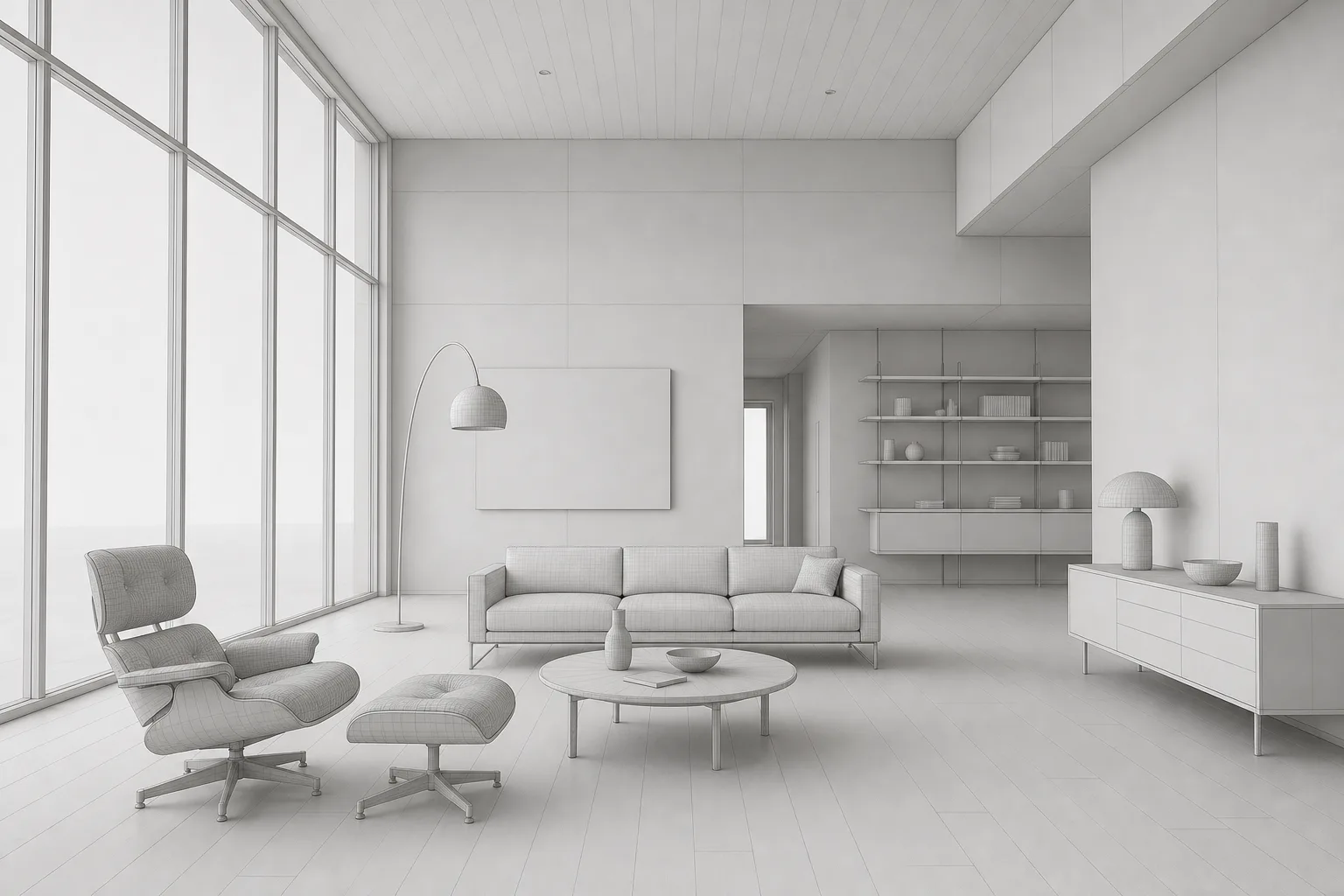
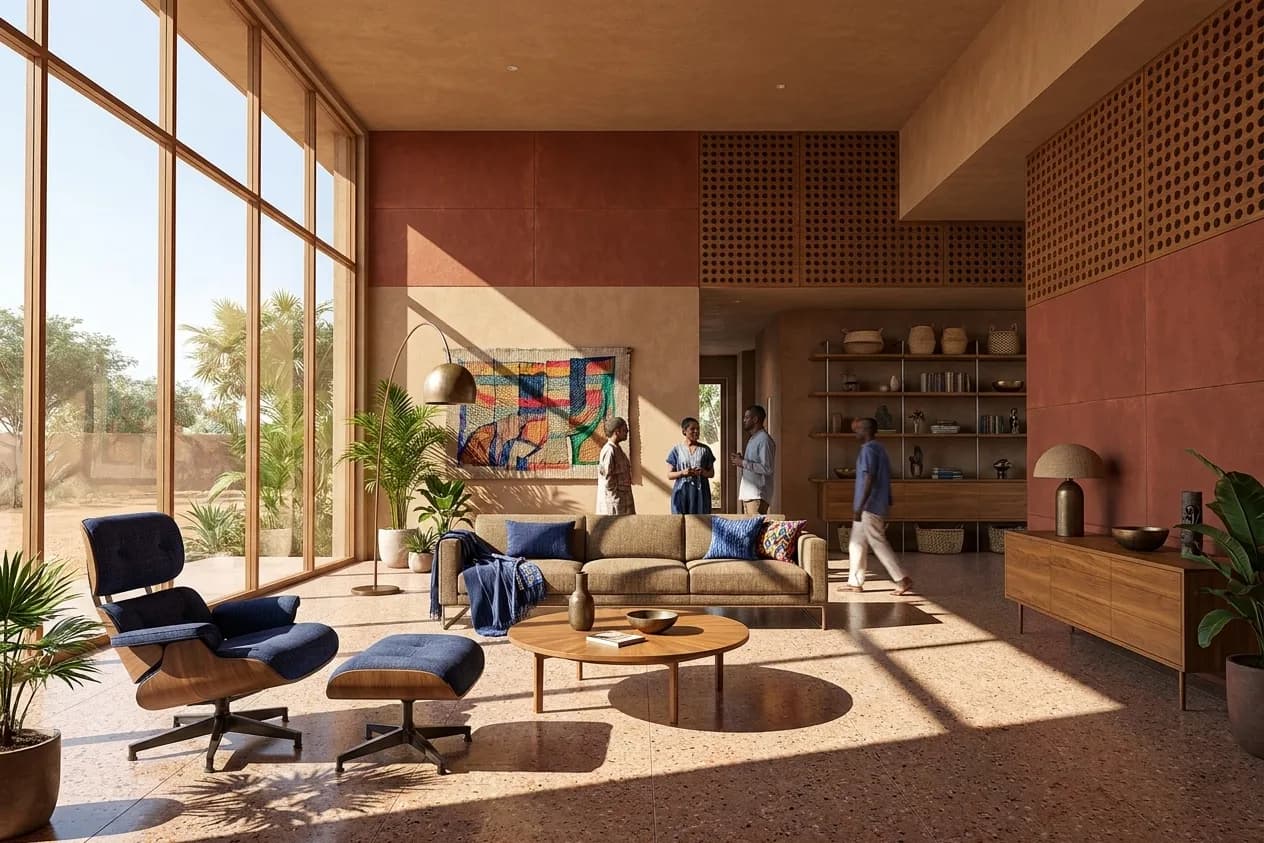
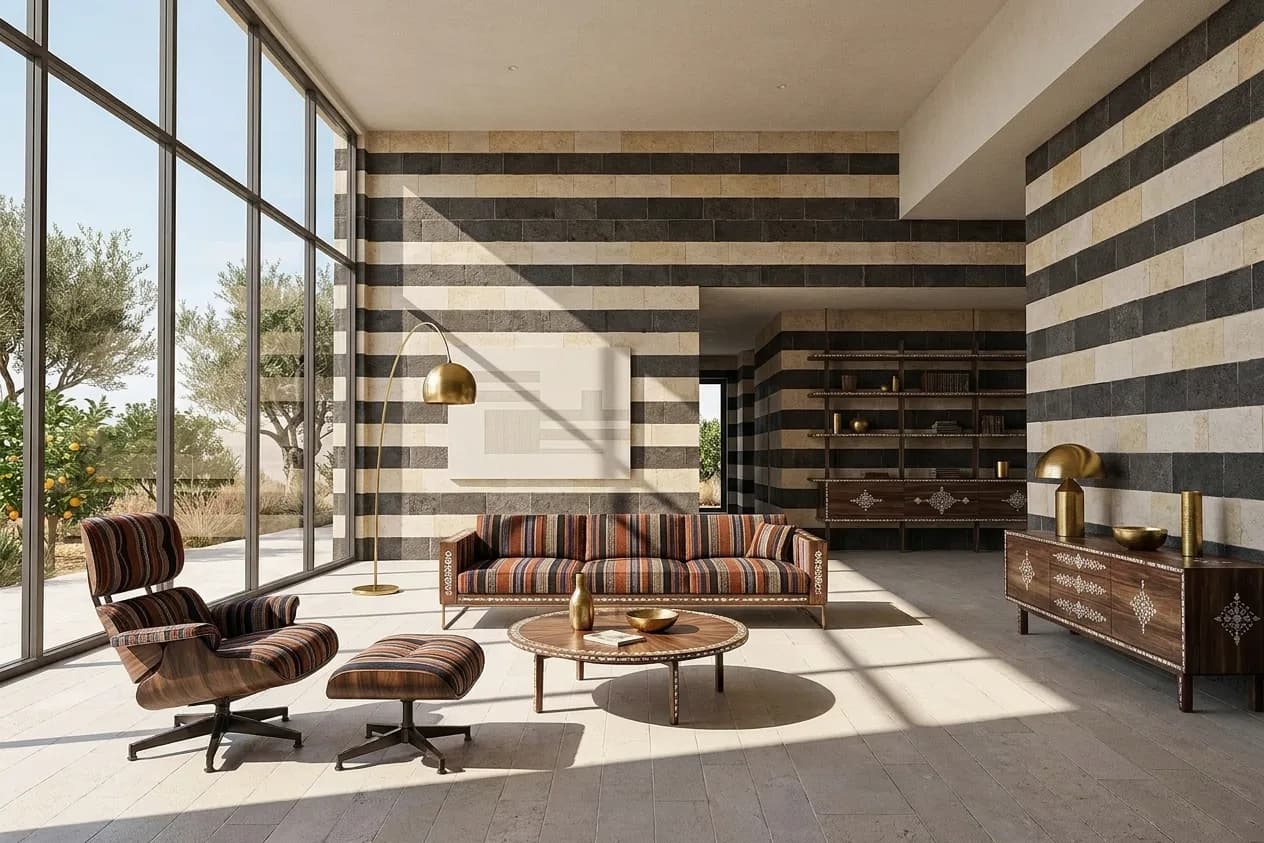
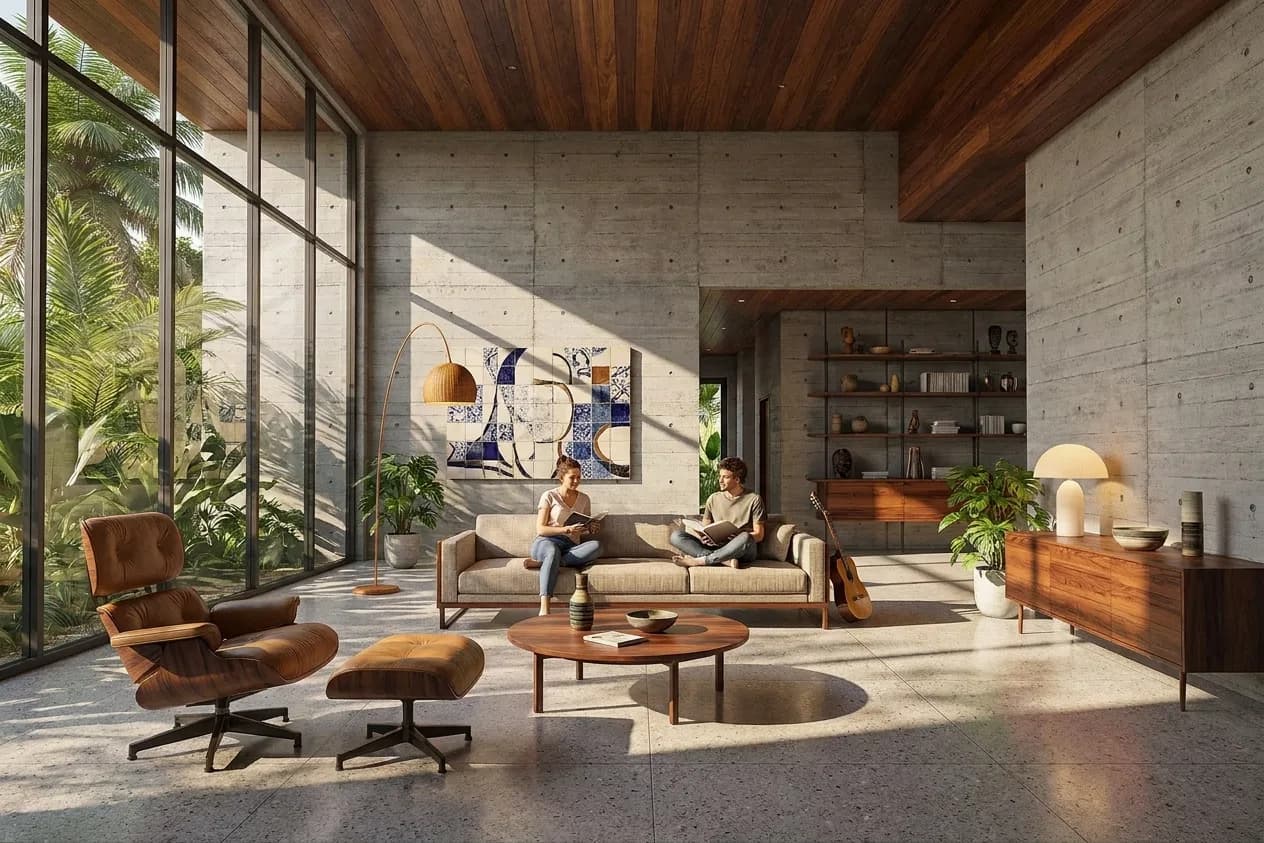
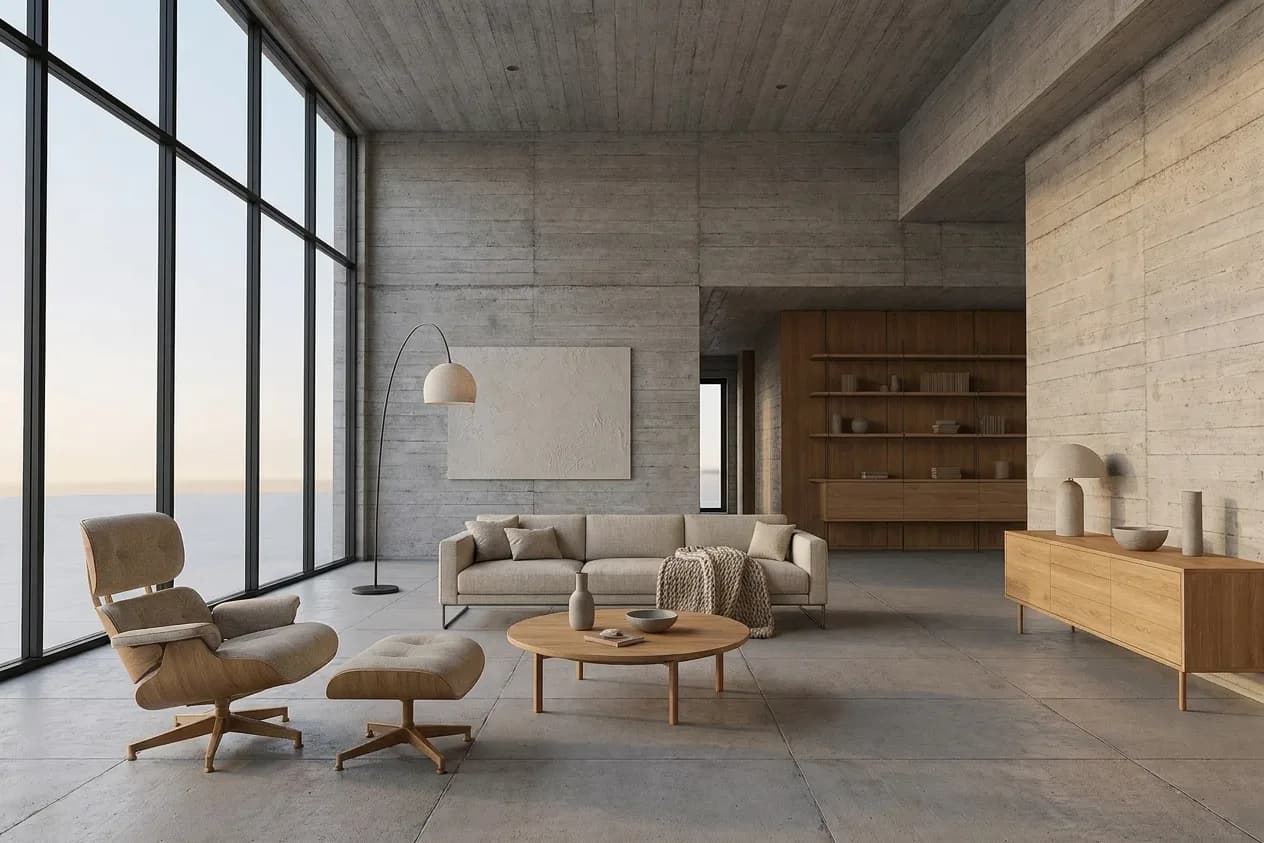
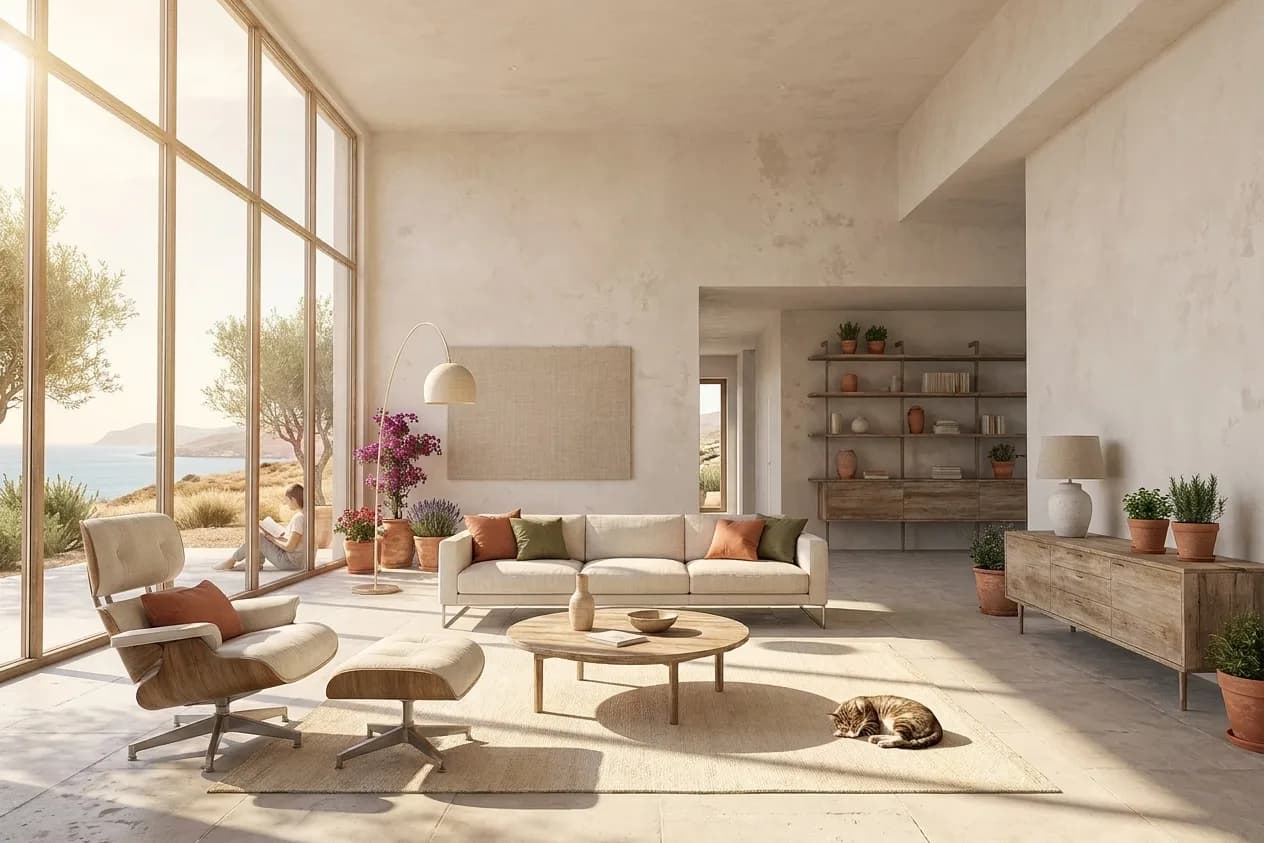
Same scene, same camera — only the style changes.
The composition
Applying this preset writes these five fields onto your project. Every one is editable after you apply it.
- Style
- Rooted in post-independence tropical modernism, this language combines civic clarity with regional craft and strong color. Broad laterite-toned planes, earth pigments, terrazzo, iroko timber, and cast bronze establish a grounded architectural character. Perforated geometric motifs appear as fitted screens, cabinet fronts, or applied panels rather than structural changes. Indigo and vivid woven textiles provide concentrated contrast, while furnishings remain low, purposeful, and generous.
- Scene
- The project sits within a warm West African urban context of red earth, sun-struck vegetation, weathered concrete, and active neighborhood grain. Broad shade trees and dusty ground temper a climate marked by heat, seasonal rain, and occasional harmattan haze. Thresholds feel generous and socially connected while remaining useful across sheltered and exposed studies. The broader atmosphere is confident, communal, and shaped by exchange, repair, and the steady rhythms of daily life.
- Lighting & Atmosphere
- Strong tropical sun creates decisive bands of brightness and dense, cool shadow. Geometric perforations cast bold patterns across terrazzo, plaster, and woven cloth, shifting with the day while leaving the underlying form intact. Reflected ochre light warms shaded areas, and indigo textiles hold their depth against the glare. The atmosphere is dramatic but composed: dry heat, clear air, and shelter expressed through contrast rather than darkness.
- Materials & Textures
- Laterite-red plaster and matte earth-pigment washes meet speckled terrazzo underfoot. Iroko appears in slatted furniture, door leaves, shelving, and finely joined screens, finished to retain its warm grain. Cast-bronze handles, bowls, and small sculptural pieces add weight without excessive polish. Indigo cloth and vivid strip-woven textiles carry irregular handwork, while patterned concrete or ceramic panels provide durable geometric relief across selected existing surfaces.
- Entourage & Activity
- A small group converses around a low table, with one figure crossing between sun and shade. Woven baskets, hand-thrown vessels, folded indigo cloth, and a cast-bronze object suggest daily use and local making. Planting is restrained but lush enough to register the climate: broad leaves, potted palms, and drought-tolerant grasses. Activity remains calm and social, with no staged spectacle or decorative excess.