Style Atlas / Neoclassical
Neoclassical
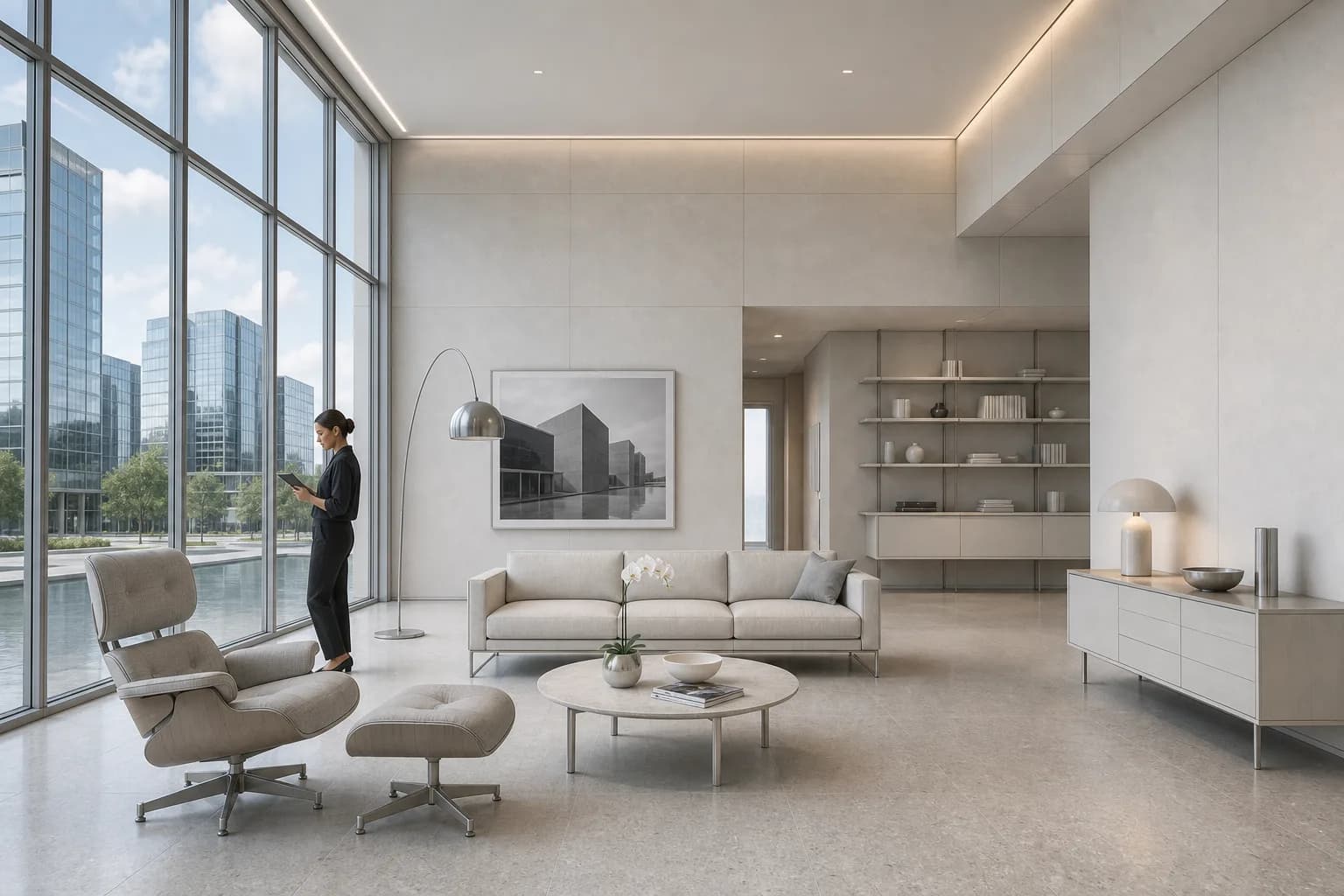
Neoclassical styling organizes the fixed scene through pale stone tones, balanced furnishings, bronze, marble, and restrained silk. Applied fluting and measured ornament provide eighteenth-century European discipline without introducing structural columns or other new architectural forms.
Europe18th centuryCoolAll-seasonDaylight
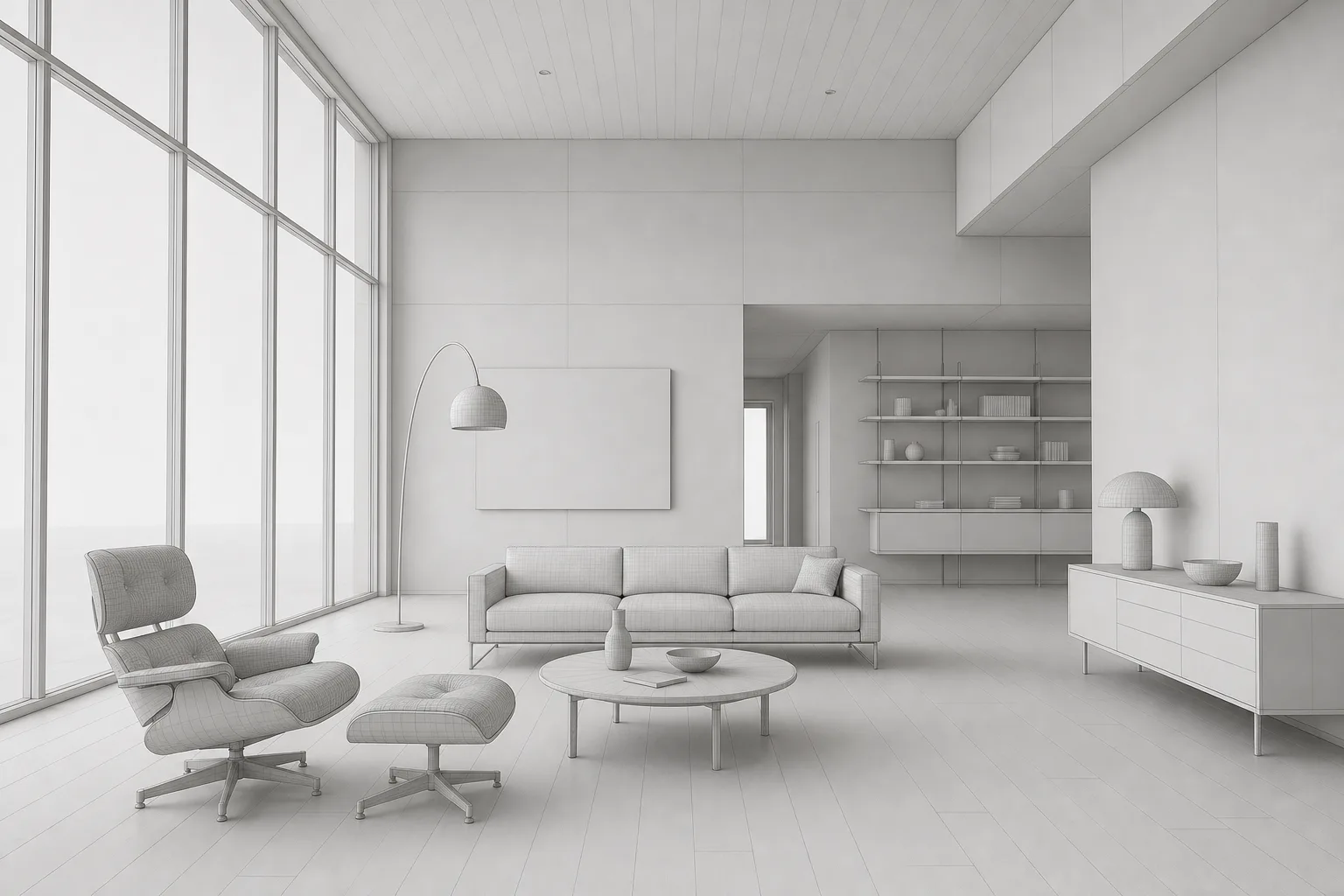
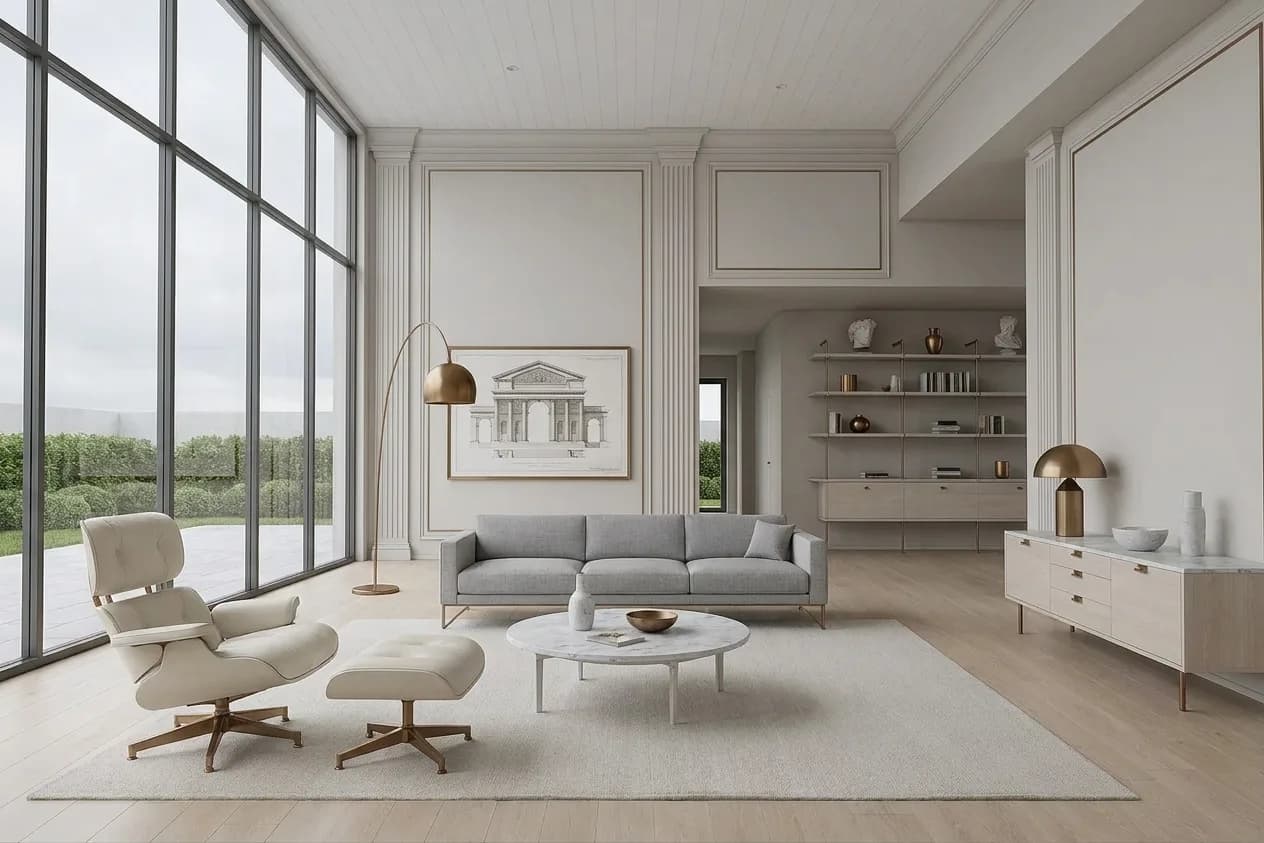
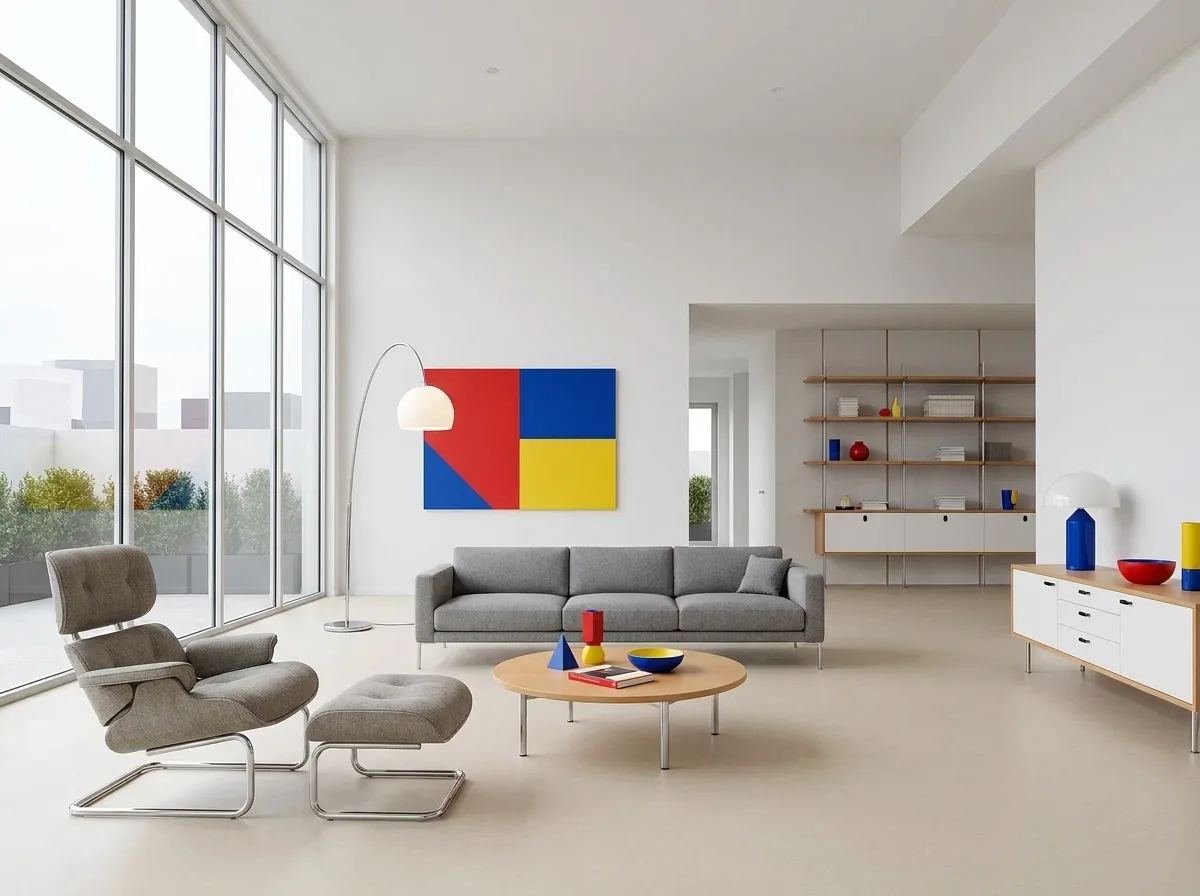
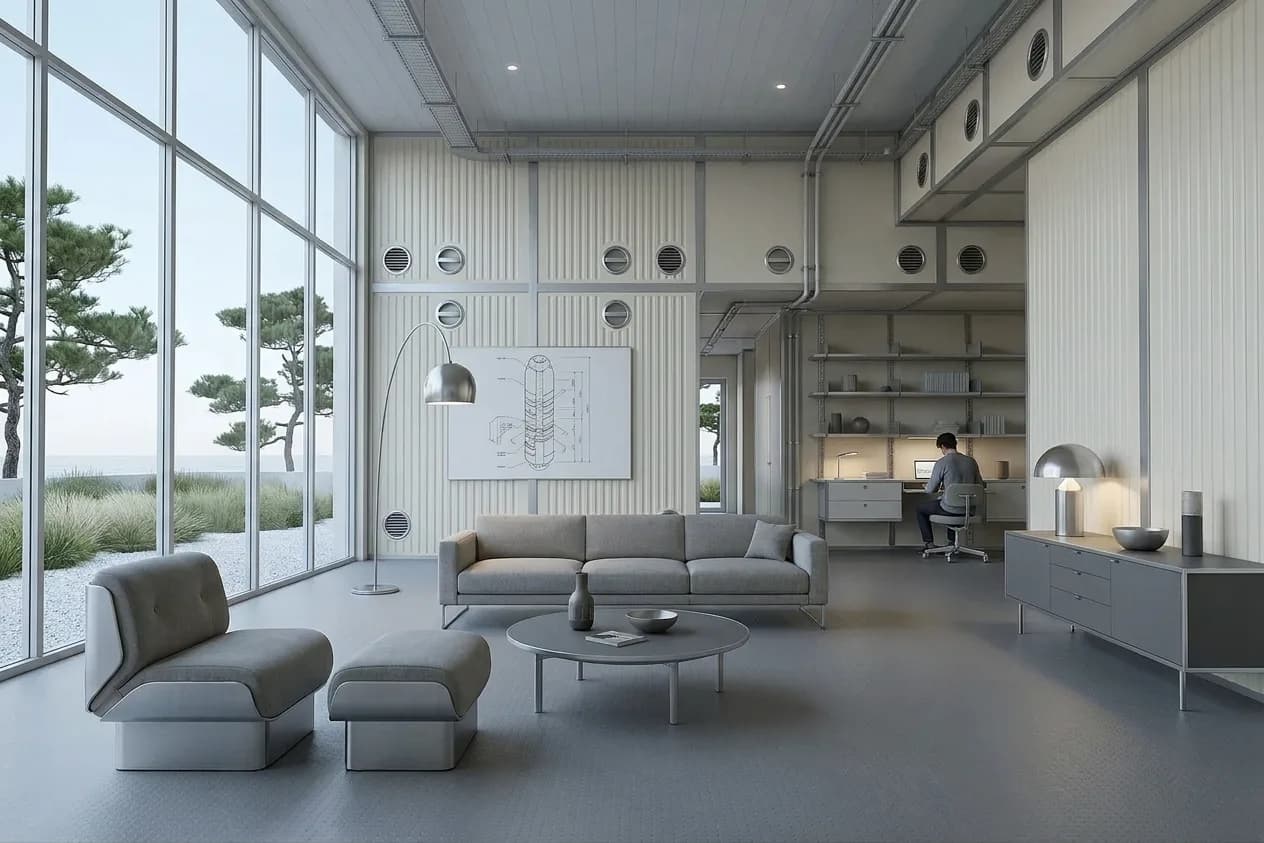
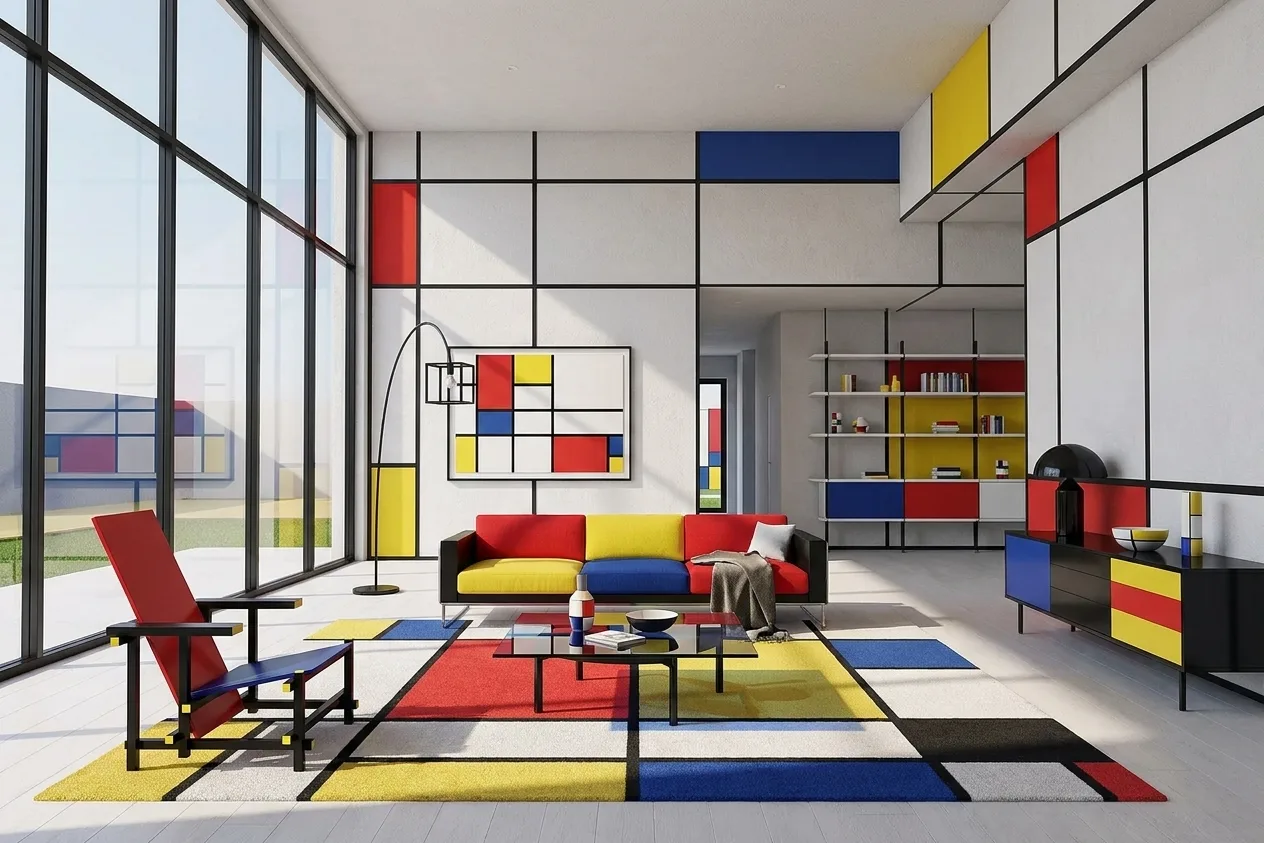
Same scene, same camera — only the style changes.
The composition
Applying this preset writes these five fields onto your project. Every one is editable after you apply it.
- Style
- Neoclassical styling brings order through balanced furniture placement, pale mineral color, restrained ornament, and clear repeated intervals. Fluted pilaster motifs appear only as shallow applied panels, painted joinery, screens, or cabinet fronts, never as new supports. Bronze details and fine moldings provide measured emphasis. The fixed envelope remains unchanged while symmetry is expressed through paired objects, aligned rugs, and disciplined wall treatments. The overall character is calm, rational, and quietly ceremonial.
- Scene
- The project sits within a measured context of pale paving, clipped planting, distant masonry, and open sky. The surroundings may be metropolitan or landscape-led, but they remain orderly, balanced, and calm rather than picturesque. Thresholds carry a restrained sense of ceremony between exposed ground and shelter through symmetry, material continuity, and controlled greenery. The broader atmosphere is dignified, practical, and enduring without implying monumentality or a fixed historic plan.
- Lighting & Atmosphere
- Calm, even daylight reveals pale stone tones, fine moldings, bronze details, and silk without pronounced shadow drama. The color temperature remains neutral, giving marble a soft gray depth and preventing cream surfaces from turning yellow. Supplementary lighting is discreet and symmetrical, using opal glass or shaded bronze fixtures. The atmosphere is composed, cool, and all-season, with sufficient brightness to clarify proportion and material while preserving a measured sense of stillness.
- Materials & Textures
- Honed marble, pale limestone tones, chalky plaster, painted timber, and dark bronze establish the restrained palette. Fluting appears in shallow applied ornament, cabinet faces, screens, and furniture legs. Upholstery uses plain wool, fine linen, leather, and restrained silk in ivory, dove gray, muted blue, or faded ochre. Moldings remain narrow and crisply detailed. Stone veining is quiet, metal is lightly patinated, and every finish favors durability over conspicuous richness.
- Entourage & Activity
- Classical references remain selective: a plaster fragment, bronze vessel, measured botanical drawing, or simple bust may occupy a console without turning the scene into a collection. People read, meet, dine, or move through formal routines in neutral tailoring. Planters use clipped evergreen or restrained branches. Books and papers are aligned but not untouched. Activity feels civic, educated, and calm, with symmetry softened by subtle evidence of daily use.