Style Atlas / Maximalist Heritage
Maximalist Heritage
A disciplined collector's interior built from layered art, mixed-period furniture, saturated textiles, and inherited objects. Repeated colors and materials keep the richness coherent, personal, and usable.
GlobalContemporaryPlayfulAll-seasonDaylight
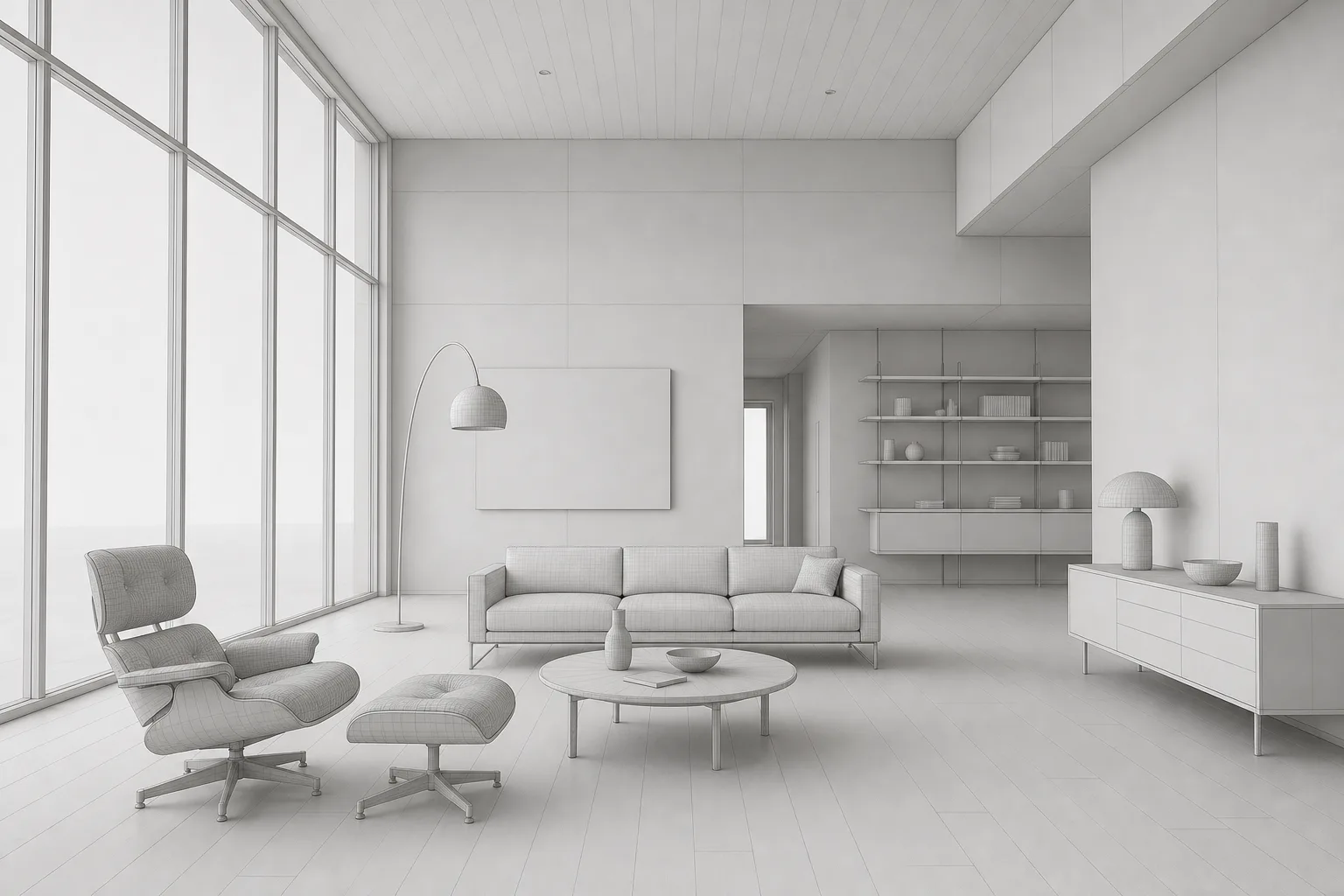
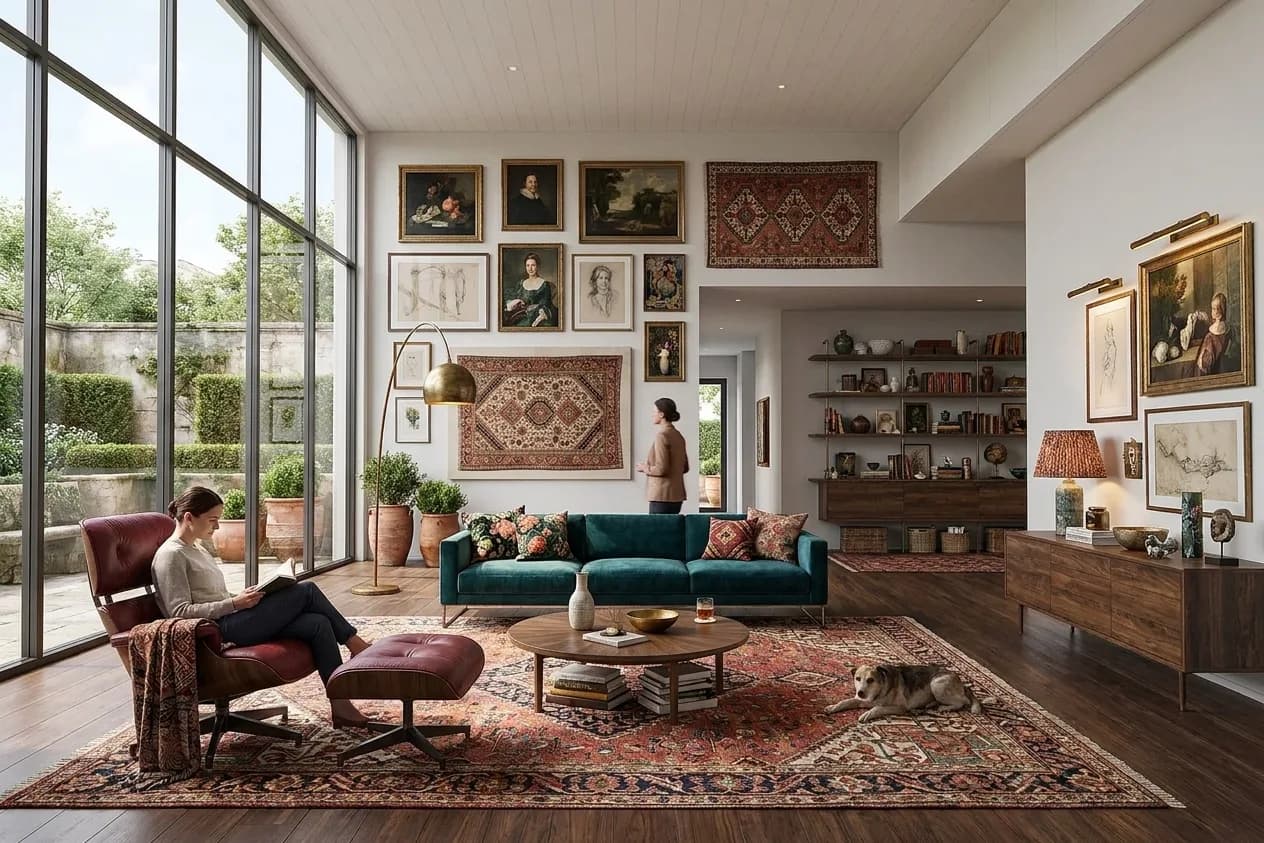
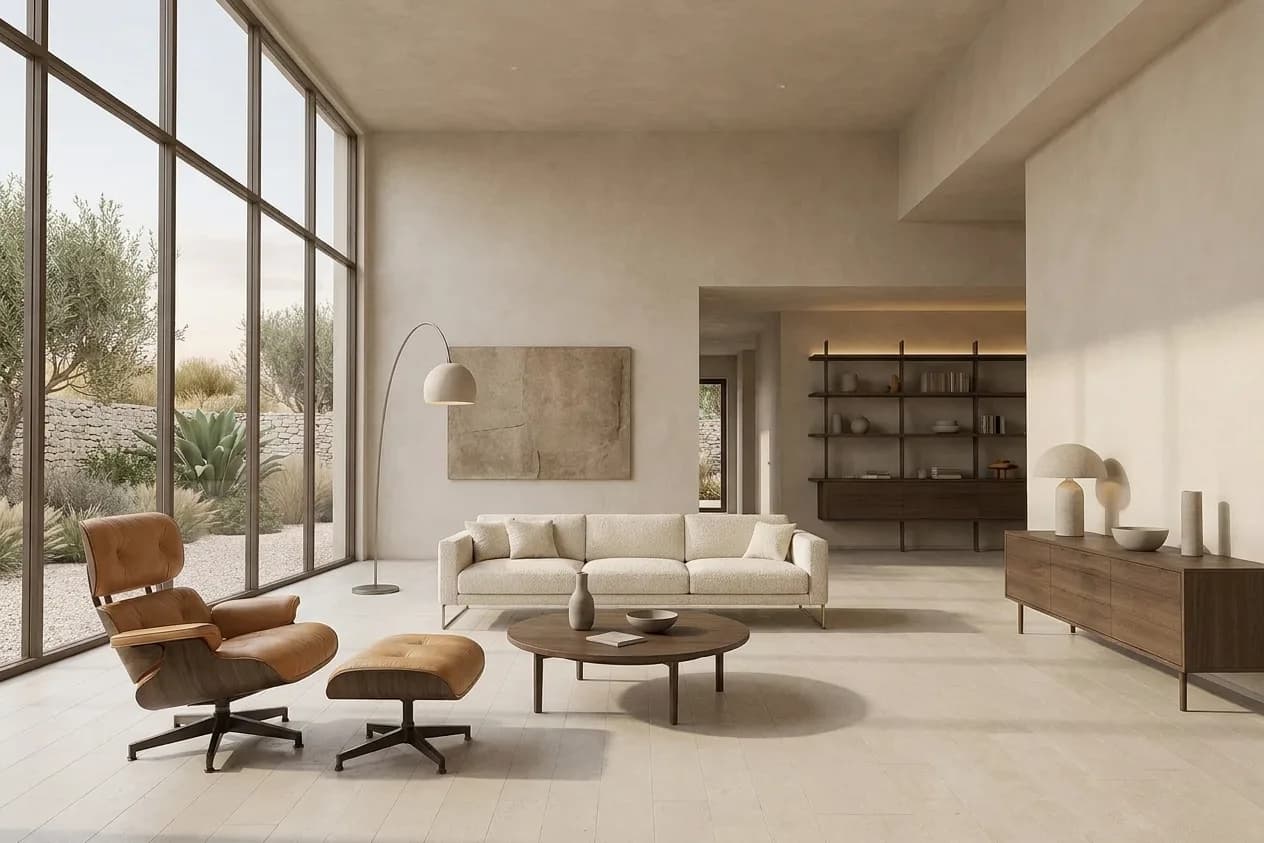
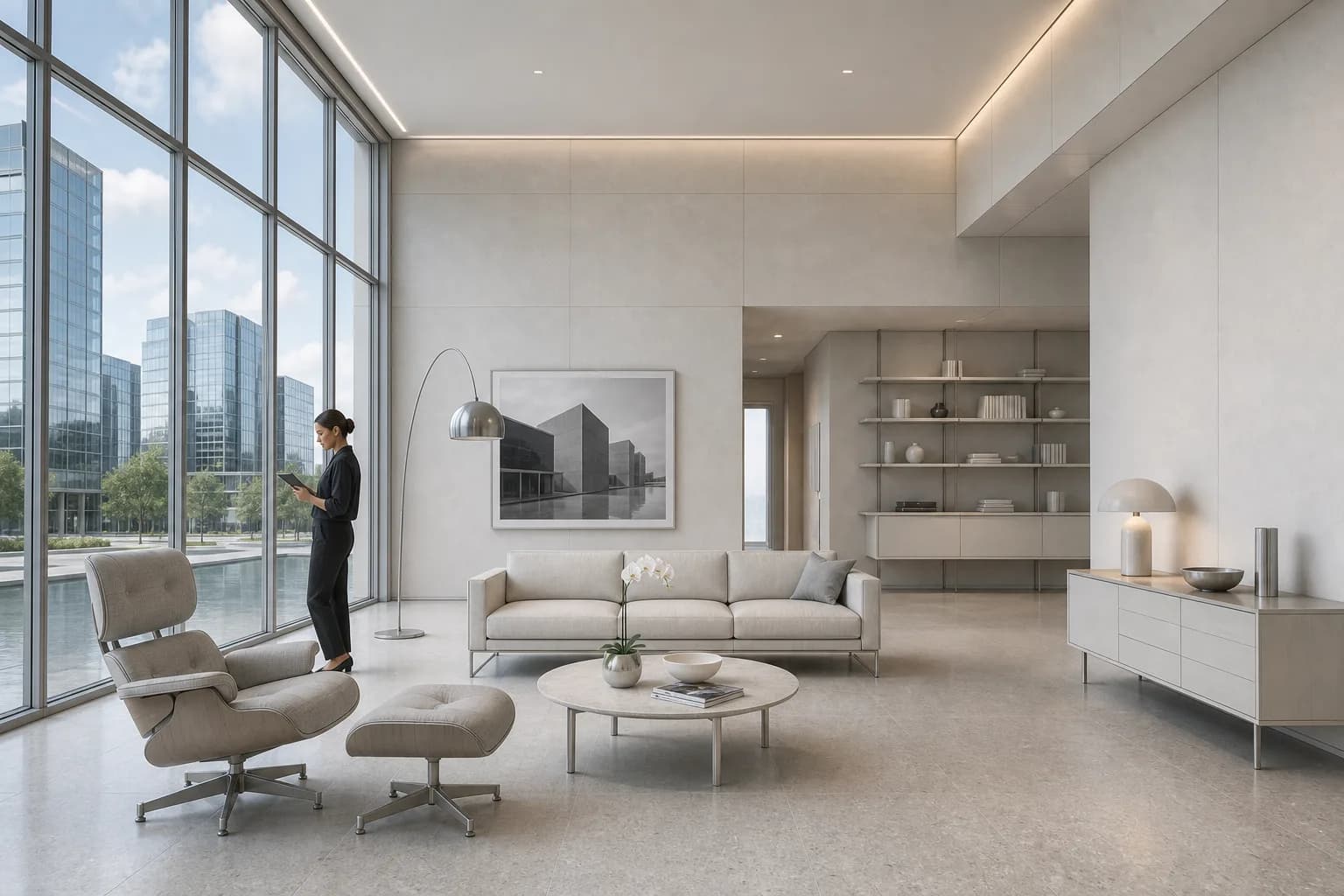
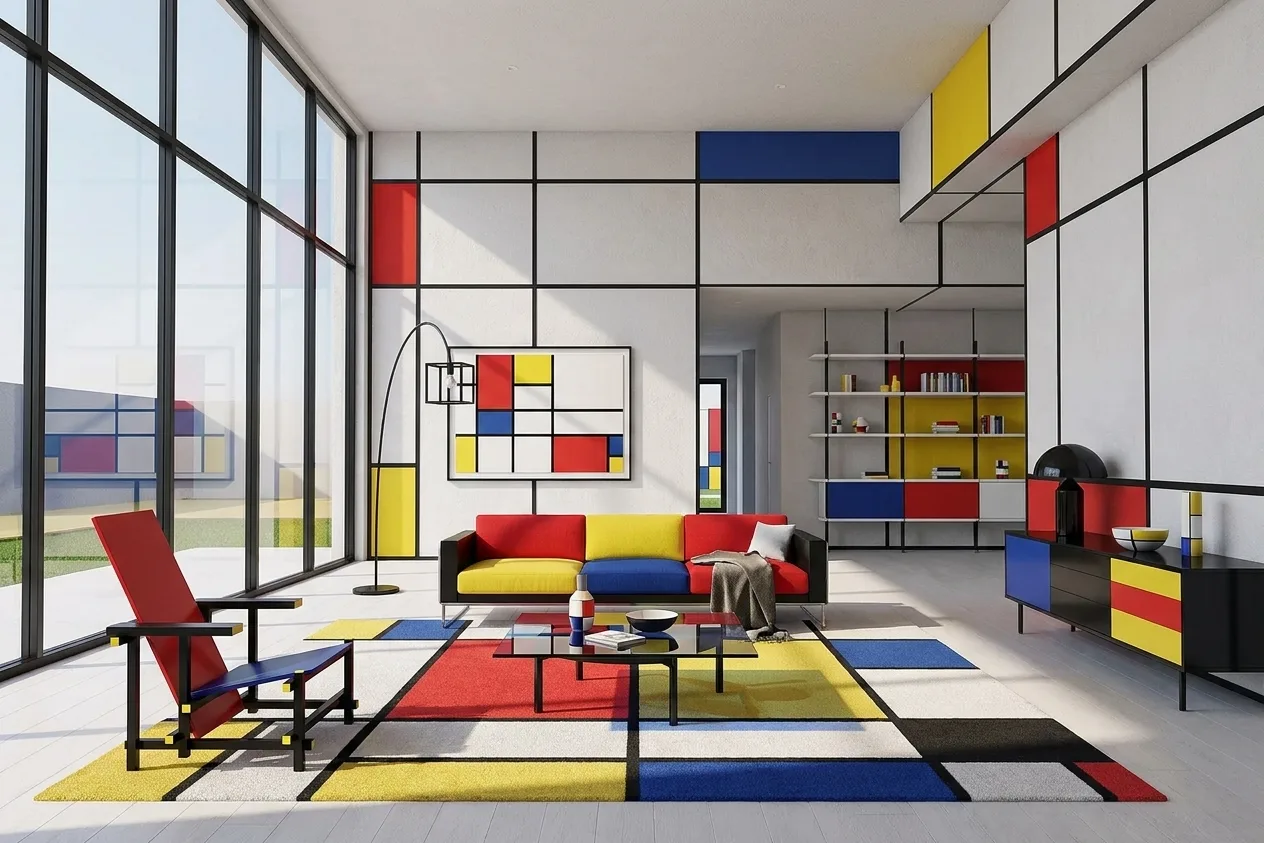
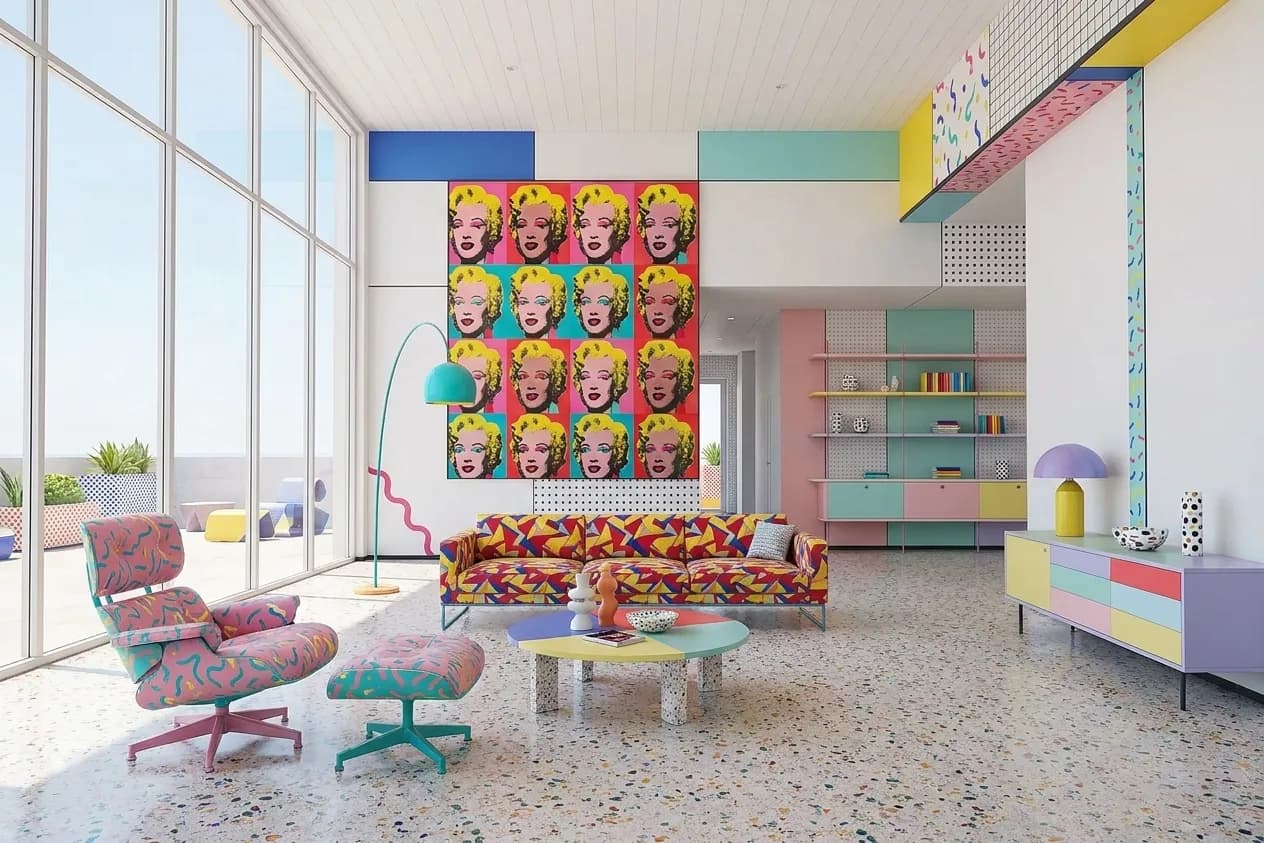
Same scene, same camera — only the style changes.
The composition
Applying this preset writes these five fields onto your project. Every one is editable after you apply it.
- Style
- Maximalist Heritage treats collecting as a coherent design tradition rather than accumulated clutter. Antique and modern pieces share a deliberate hierarchy, linked by recurring colors, woods, and metals. Gallery-hung art, patterned textiles, books, and inherited objects cover surfaces densely while preserving clear circulation and usable furniture. Existing architecture remains legible beneath the layers. The character is cultivated, personal, and historically informed, with each object appearing chosen over time rather than added for instant effect.
- Scene
- The project sits within an established context of mature trees, clipped hedges, weathered stone, deep foliage, and traces of old ironwork. It may meet a cultivated landscape or a layered city street, but the surroundings should feel settled rather than pristine. Thresholds carry seasonal flowers, patina, and accumulated color between shelter and the wider environment. The broader atmosphere is generous, storied, and inhabited, with continuity and memory holding the diverse influences together.
- Lighting & Atmosphere
- Bright daylight enters generously and reveals the differences between velvet, polished wood, glazed ceramic, paper, and metal. Shadows are present but open, keeping layered objects distinct rather than merging them into darkness. Small shaded lamps and picture lights add warm points within the daylight without dominating it. The atmosphere feels active, intelligent, and hospitable. Rich color remains clear and balanced, avoiding the heavy amber cast associated with theatrical period interiors.
- Materials & Textures
- Dark walnut, mahogany, lacquer, aged brass, and veined stone form the durable base. Upholstery combines saturated floral, stripe, damask, and geometric patterns through a controlled palette of garnet, teal, ochre, and deep blue. Persian or kilim rugs overlap only where practical. Walls carry closely arranged paintings, drawings, and framed textiles. Modern pieces in clear glass or painted steel prevent period pastiche, while repeated timber and brass tones hold the collection together.
- Entourage & Activity
- Shelves hold books, ceramics, travel objects, and family pieces arranged in readable groups. Fresh flowers, stacked correspondence, and a half-finished drink suggest current use. Two figures may converse near mixed-period seating, while a dog rests beside a patterned rug. Art remains varied in scale but carefully aligned. The activity is sociable and cultured, with enough clear surface and circulation to distinguish deliberate collecting from disorder or decorative excess.