Style Atlas / Deconstructivist
Deconstructivist
Late-modern tension expressed through fractured cladding, skewed surface seams, raw metal, and angular furniture while the fixed enclosure remains intact. Flat winter light keeps every offset joint and tonal collision precise.
InternationalLate ModernDramaticWinterOvercast
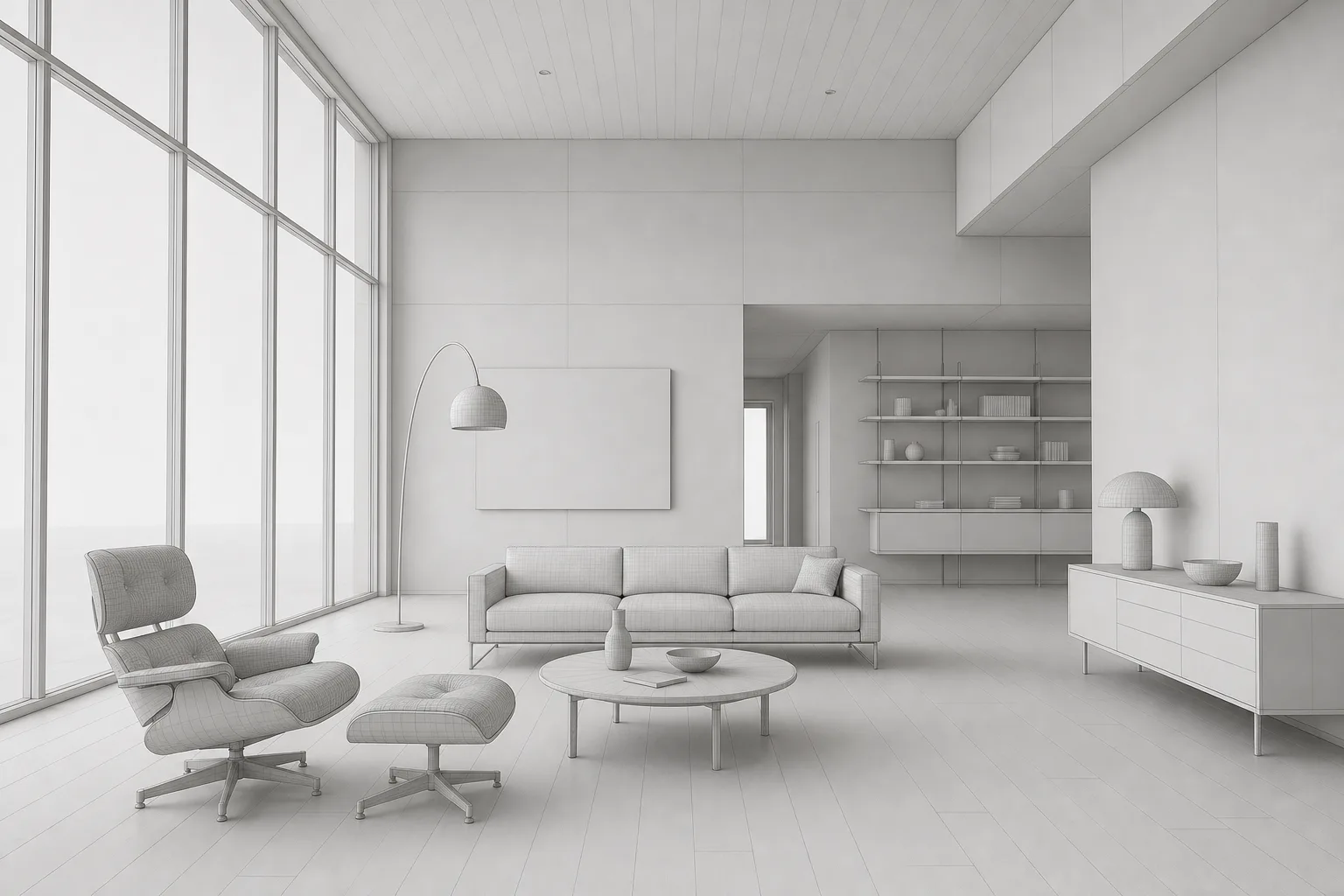
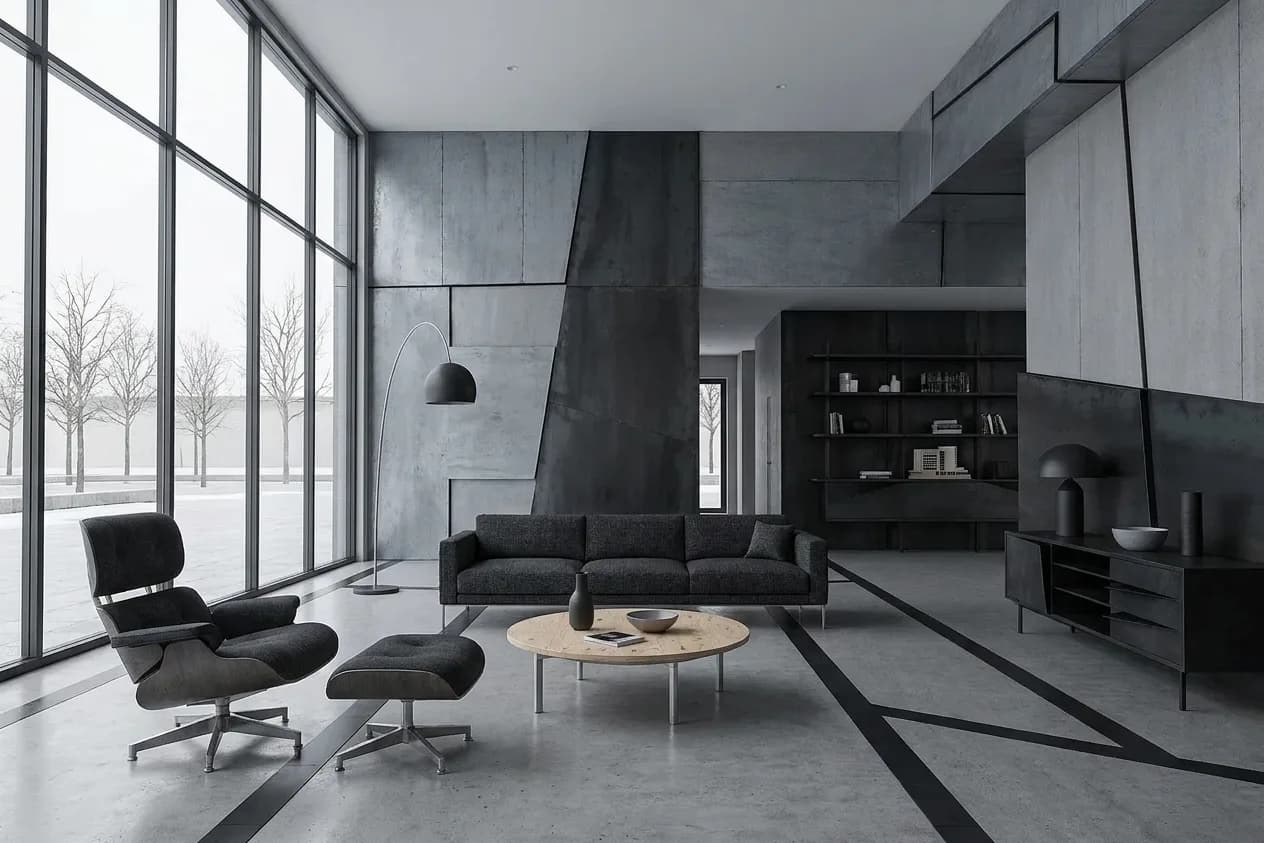
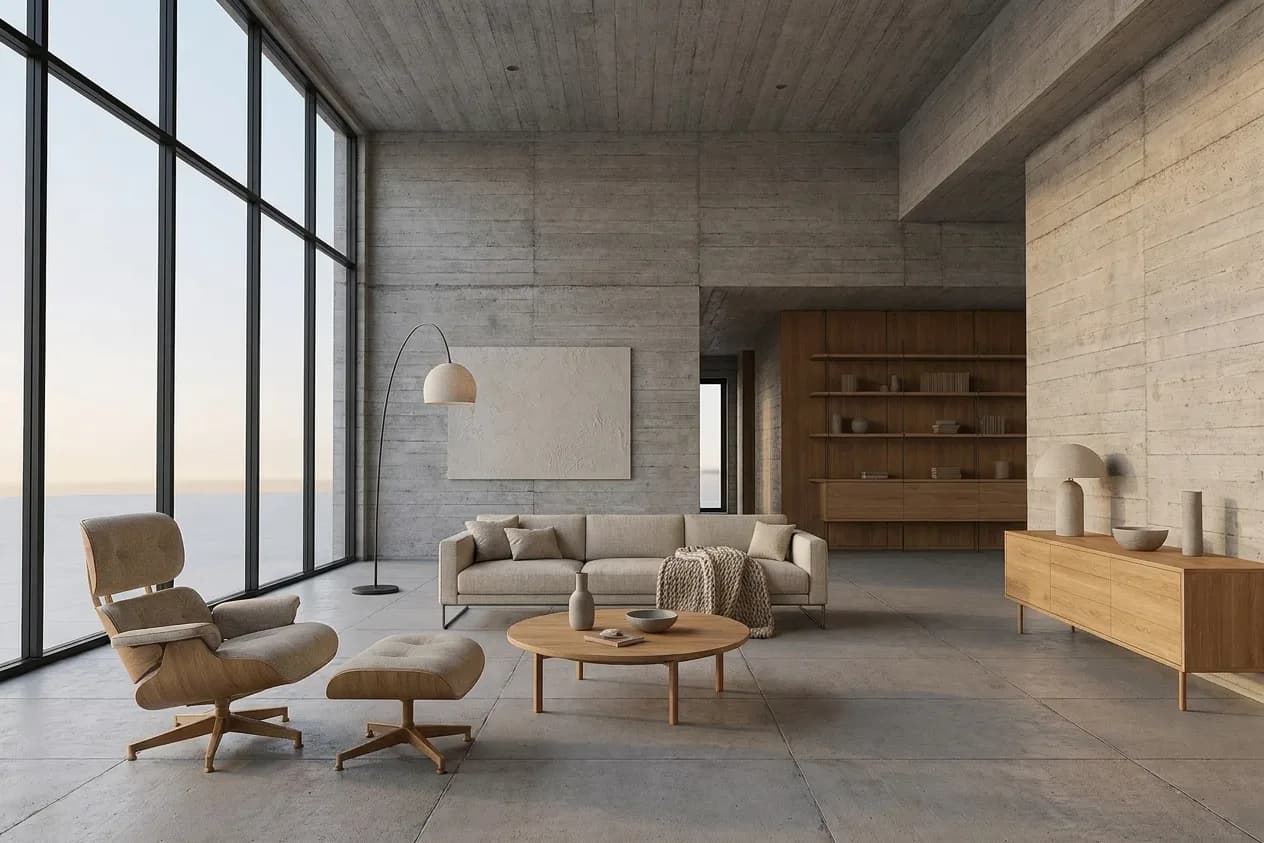
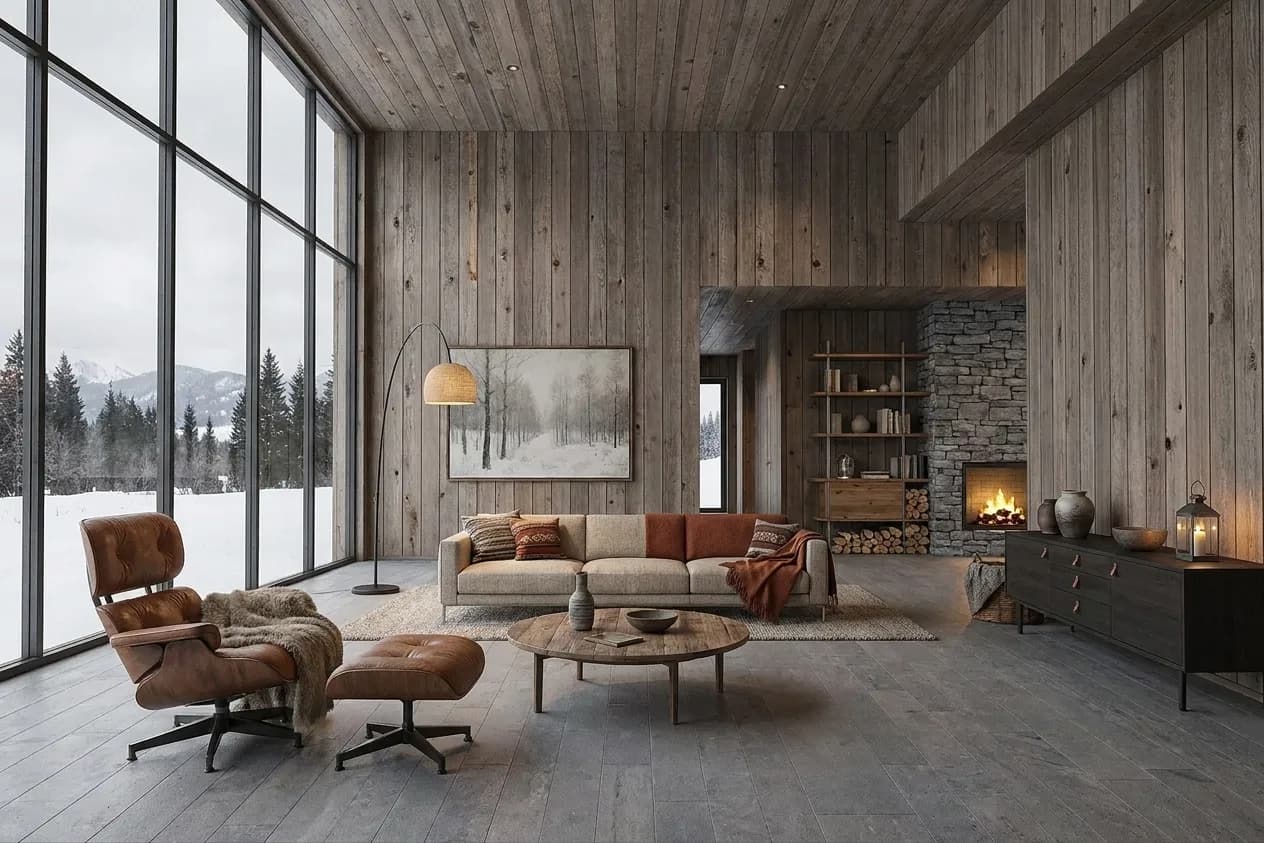
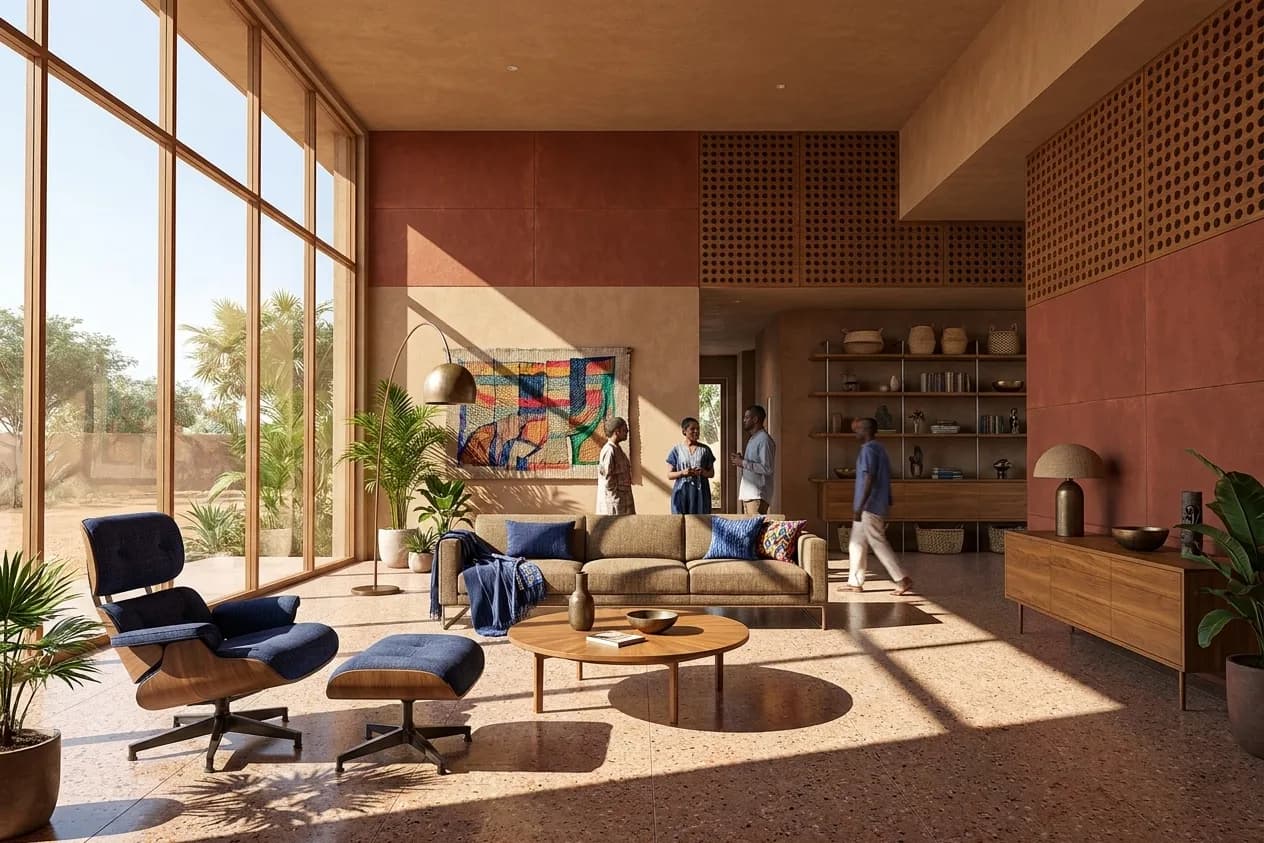
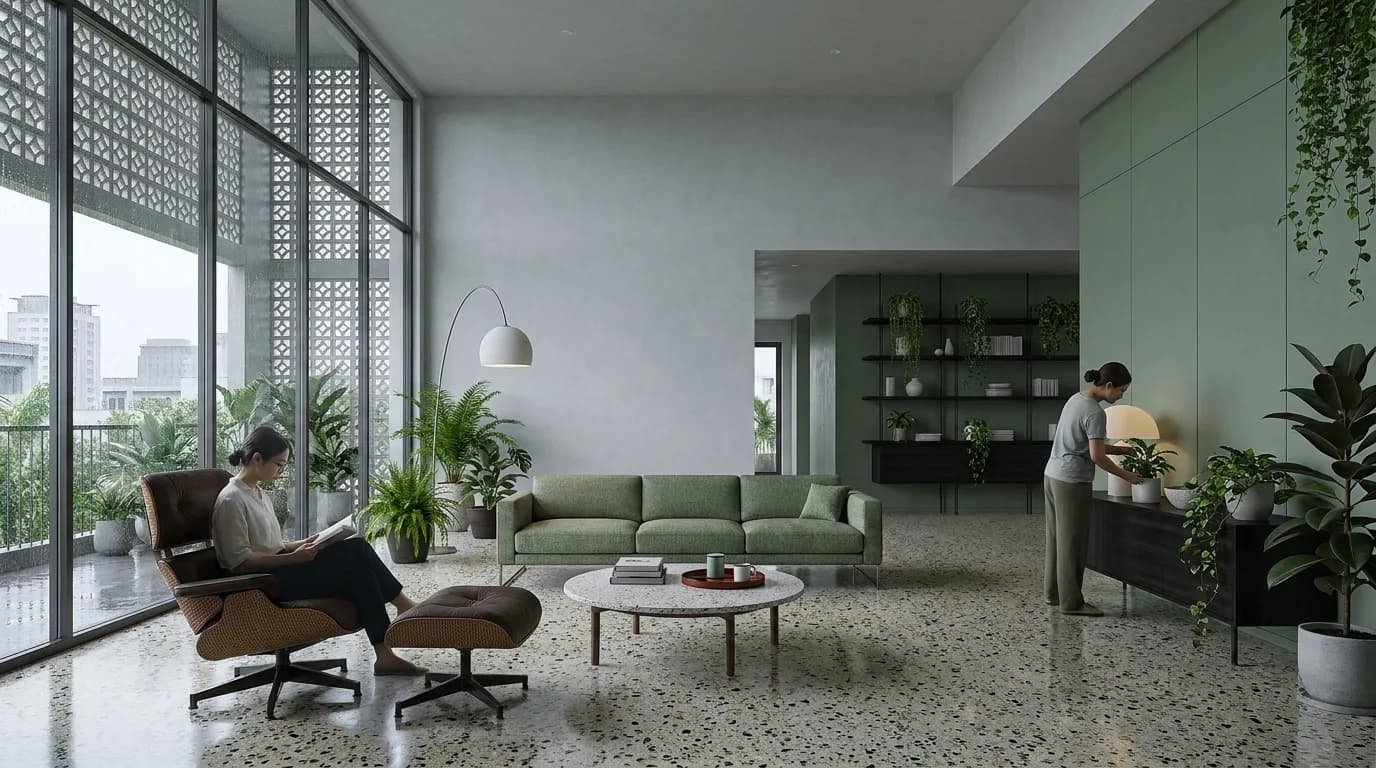
Same scene, same camera — only the style changes.
The composition
Applying this preset writes these five fields onto your project. Every one is editable after you apply it.
- Style
- Deconstructivist language appears through fractured finish planes, skewed seams, angular furniture, and abrupt tonal contrast. Cladding, paint divisions, screens, and joinery seem to slip past one another while the existing walls, openings, and rooflines remain fixed. Raw metal and dark surfaces sharpen the discontinuities. Tilt belongs to applied panels and movable objects, not structure. The register is late-modern, analytical, and unsettled, with visual tension produced by misalignment rather than decoration.
- Scene
- The project sits within a fragmented winter context of pale ground, leafless planting, dark surfaces, and a dense urban or industrial edge. Surrounding lines and routes feel displaced or interrupted, creating tension without prescribing the project's own form. Thresholds register as abrupt shifts in texture, exposure, and direction between shelter and the city. The broader atmosphere is cold, unstable, and deliberately unresolved, shaped by movement, contrast, and competing traces of infrastructure.
- Lighting & Atmosphere
- Flat overcast light suppresses highlights and exposes every seam, offset joint, and tonal break with equal clarity. Raw metal reads cool gray, black surfaces retain texture, and pale panels remain chalky rather than bright. Shadows are shallow and diffuse, allowing fractured applied planes to carry the visual tension. Narrow linear fixtures may add cold local illumination. The atmosphere is austere, analytical, and slightly disorienting without becoming dark or theatrical.
- Materials & Textures
- Raw zinc, brushed aluminum, blackened steel, fiber-cement board, plywood, and smooth plaster form contrasting applied layers. Cladding panels use skewed seams and irregular surface divisions, mounted flush or slightly proud without changing the underlying enclosure. Floors combine honed concrete, dark rubber, and angular inlays. Furniture uses sharp metal frames, folded sheet surfaces, and dense wool upholstery. Finishes alternate between chalky matte, scratched metal, and restrained satin reflection.
- Entourage & Activity
- Angular chairs, folded-metal tables, offset shelving, and irregular rugs reinforce the fractured surface logic. Sparse books, models, drafting sheets, and monochrome vessels suggest design work or exhibition use. Figures may cross, pause, or work alone, dressed in dark winter layers. Bare branches, gravel planters, and compact sculptural objects extend the sharp linework. Activity remains minimal so the skewed joints, tonal collisions, and displaced furniture retain prominence.