
Architecture Competition Renders: Build a Clear Board Set

Architecture competition renders should explain one design idea before they show every feature. Start with a clear hero image. Give it one focal point, a legible silhouette, and enough human scale to explain use. Add supporting views only when they prove context, space, circulation, or atmosphere. Keep one visual direction across the set. Each camera still needs its own verified source view. AI can help study light, materials, entourage, and finish under a tight deadline. It should not invent missing design evidence or replace the drawings. Review every image against the model before it reaches the board.
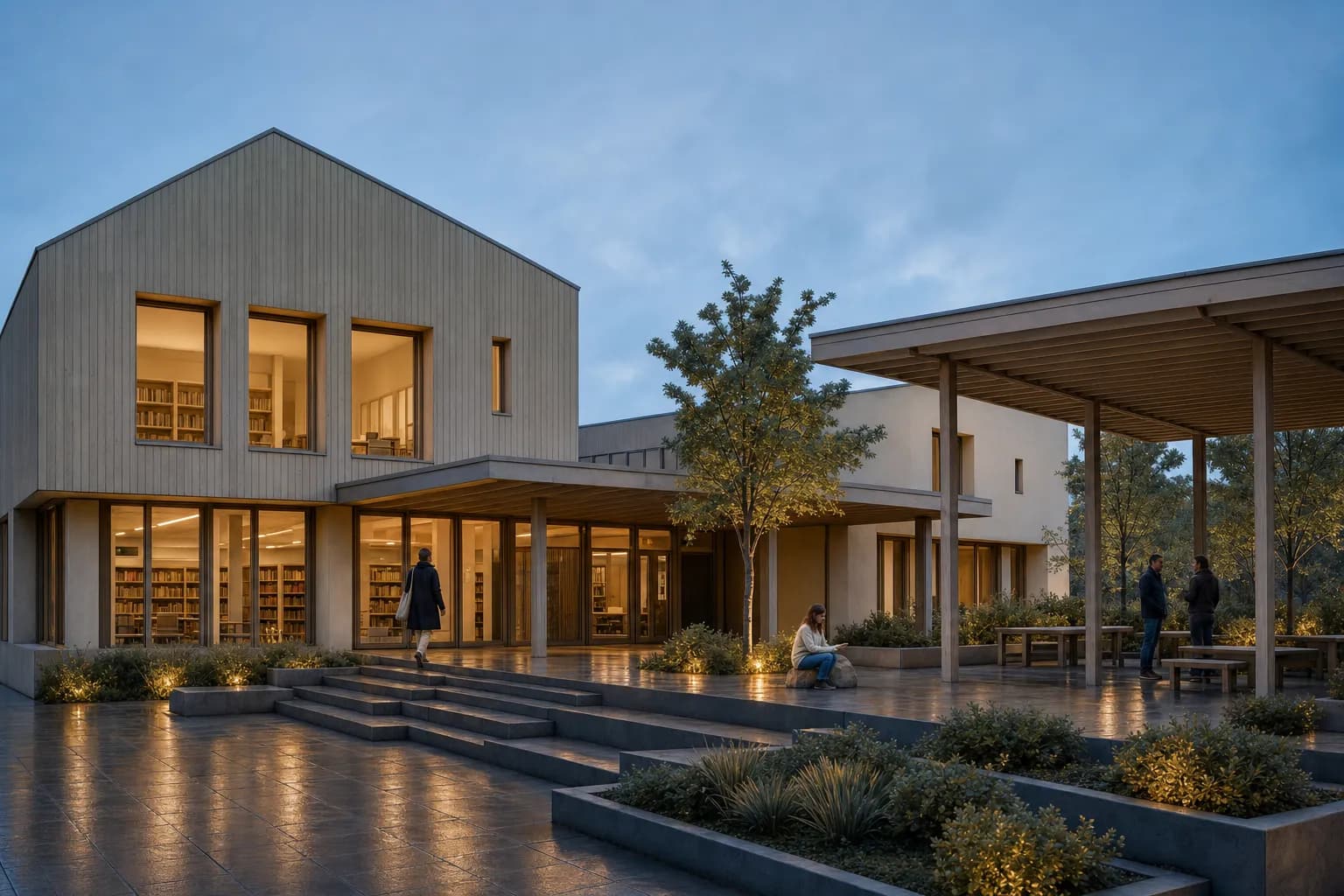
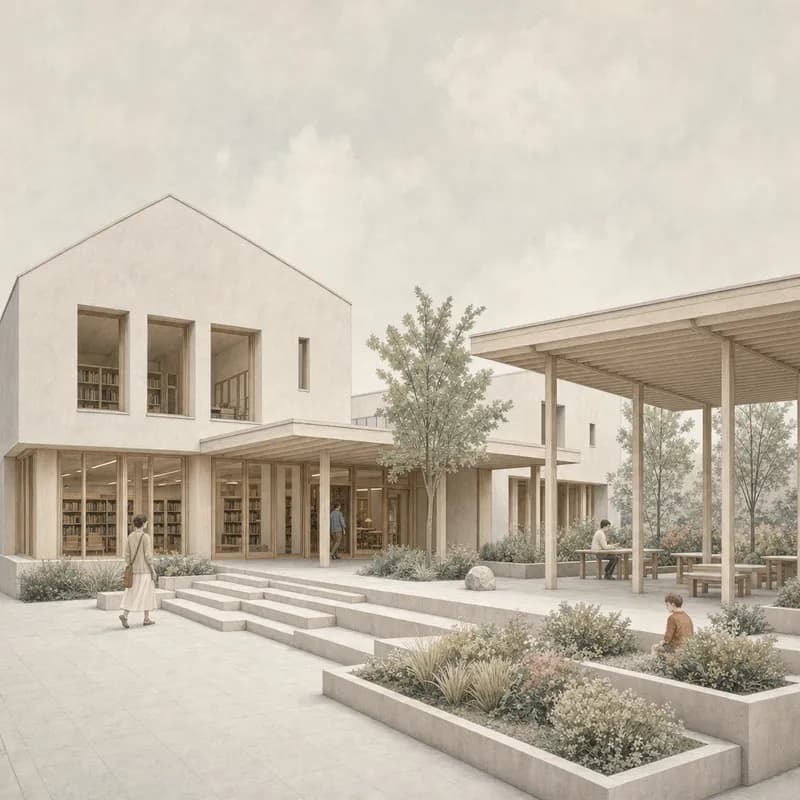
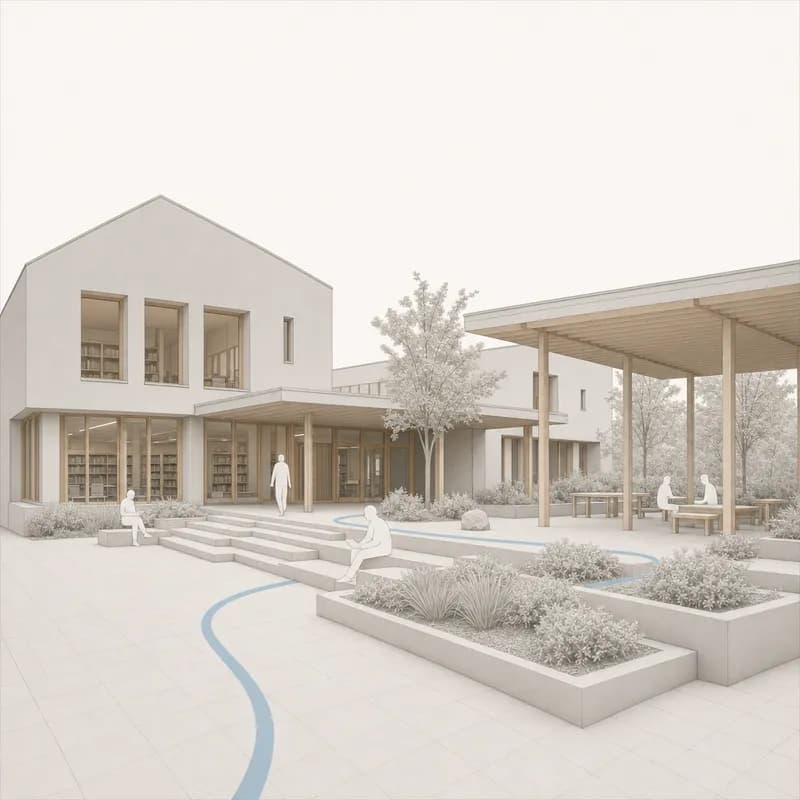
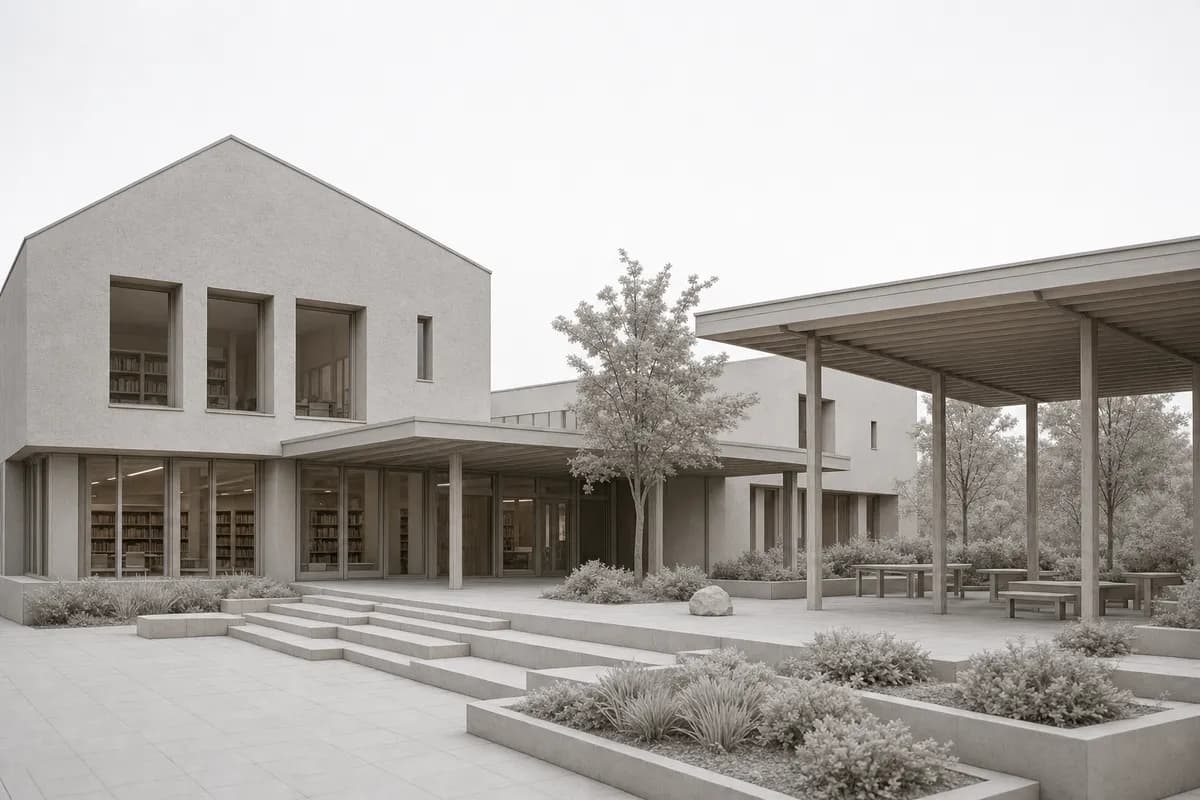 Synthetic source
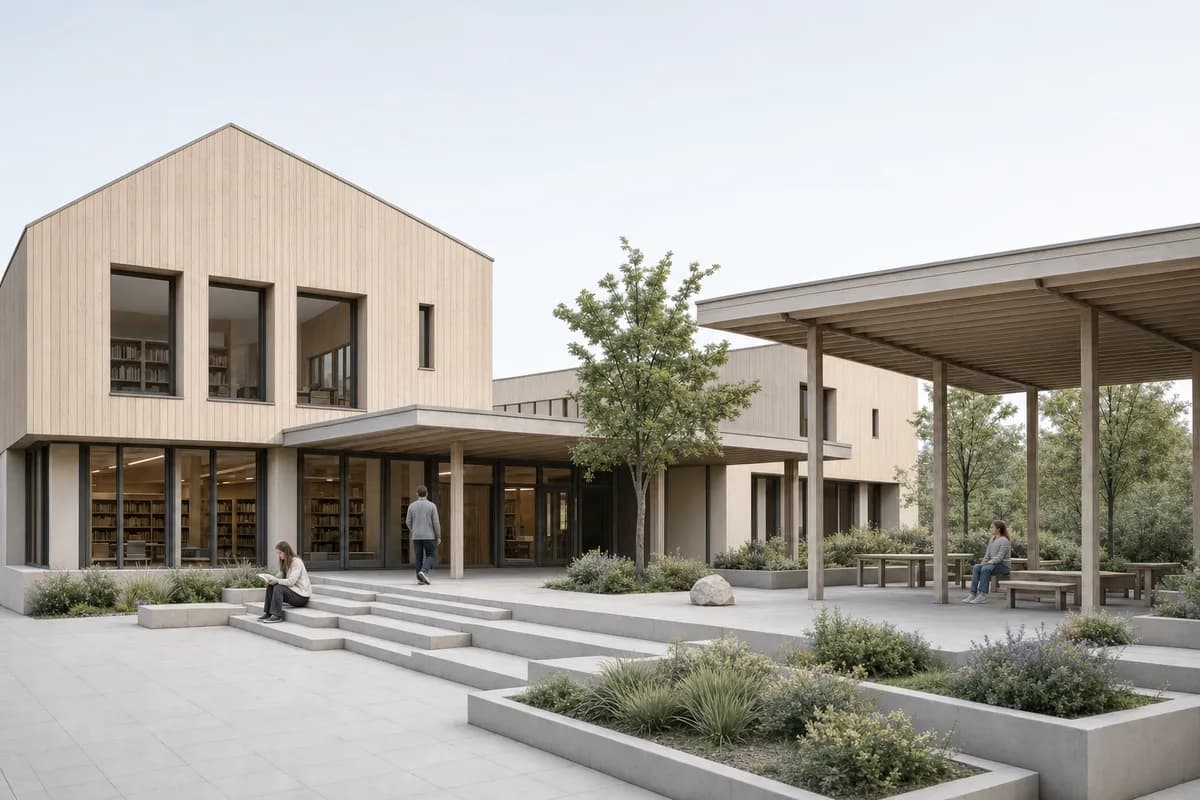 Daylight study
What does an architecture competition render need to do?
A competition render needs to make the scheme understandable at a glance. It should reveal the central idea, establish scale, and support the board's wider argument.
Start by writing one sentence about the design. That sentence might describe a public route through a courtyard. It might explain a roof that gathers several rooms. It might identify how an existing structure is reused. The hero should make that sentence visible.
The render does not need to contain every decision. It needs a clear subject and hierarchy. Keep secondary buildings, landscape, weather, and people in supporting roles. A polished image with no readable idea becomes decoration.
The guide to AI architectural rendering explains where image studies fit in a wider design process. For view types, the architectural rendering types guide separates exteriors, interiors, sections, plans, and sequences.
Which images belong on a competition board?
Choose images by purpose, not by quantity. A compact set often needs a hero, one context view, one human-scale view, and one spatial or diagram-led view. The competition brief may require different deliverables.
| Image role | Question it answers | Main risk |
|---|---|---|
| Hero | What is the project and why should I look closer? | Atmosphere hiding the design idea |
| Context view | How does the scheme meet its site and surroundings? | A distant camera making use and access unreadable |
| Human-scale view | What does the place feel like in use? | Entourage competing with architecture |
| Section or diagram view | How do space, route, climate, or program work? | Generated detail replacing verified drawing information |
Use the architectural section rendering styles guide when a cut view carries the main spatial argument. Keep its verified linework above any generated atmosphere.
Should competition renders be conceptual or photoreal?
Use the finish that matches the design's level of certainty. A concept image can keep unresolved work open. A photoreal hero can make a developed material and lighting direction easier to read.
Many entries can use both. The hero may carry a resolved atmosphere. Supporting views can stay quieter and more diagrammatic. The set still needs one palette, one material logic, and one clear narrative.
| Treatment | Best use | Check before placing |
|---|---|---|
| Concept collage | Massing, public life, reuse, landscape, and early atmosphere | The drawing hierarchy still explains the scheme |
| Daylight render | Materials, facade depth, landscape, and spatial clarity | Openings, shadows, and scale agree with the source |
| Blue-hour hero | Occupation, arrival, interior glow, and one emotional peak | Dark areas do not hide access or primary form |
| Diagram-led image | Route, program, climate, or a single design operation | Graphic treatment does not invent technical evidence |
The broader guide to architectural rendering styles helps separate technique, finish, mood, and architectural language.
Prompt library · 50 promptsConceptualBrowse prompts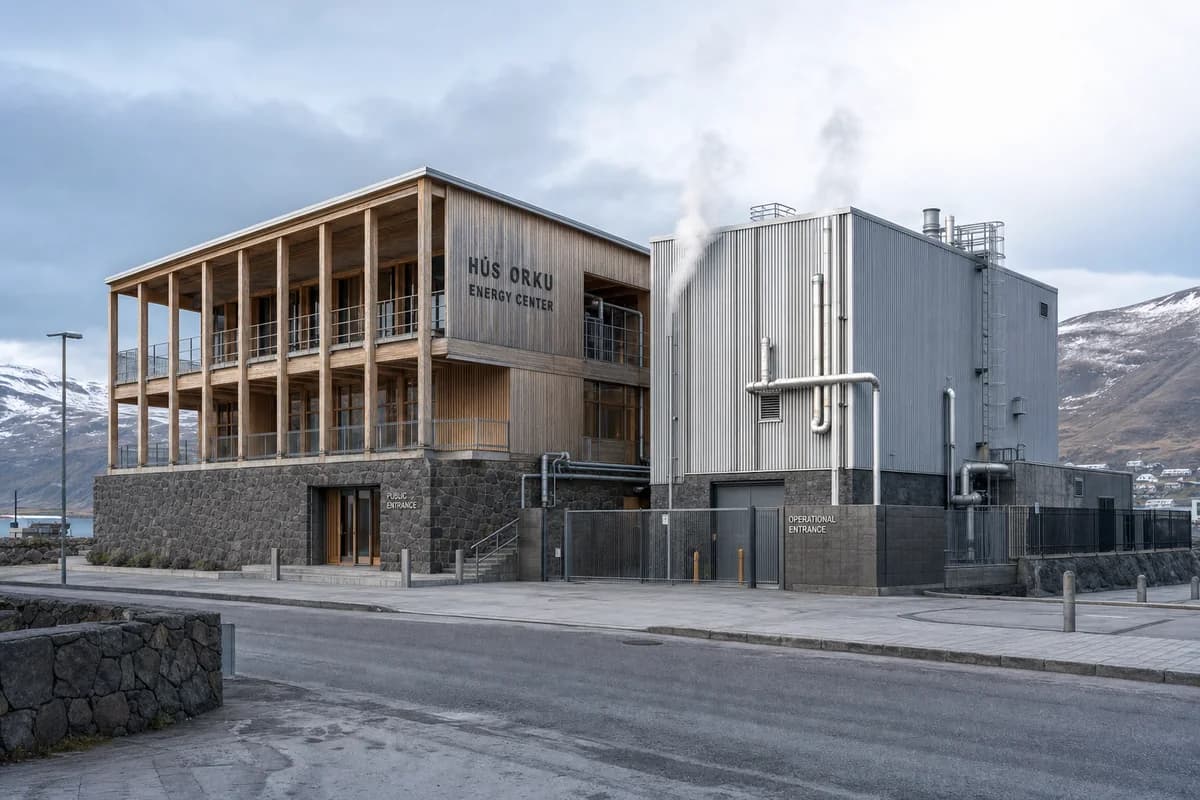
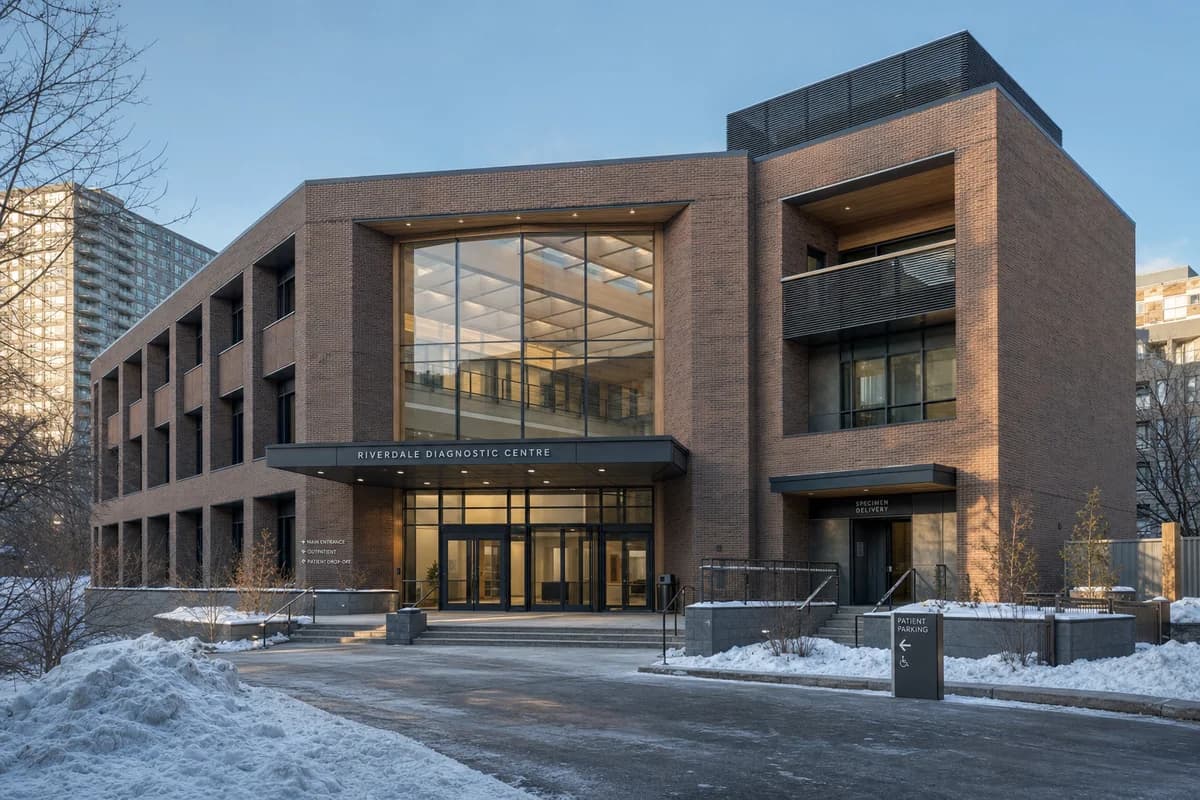
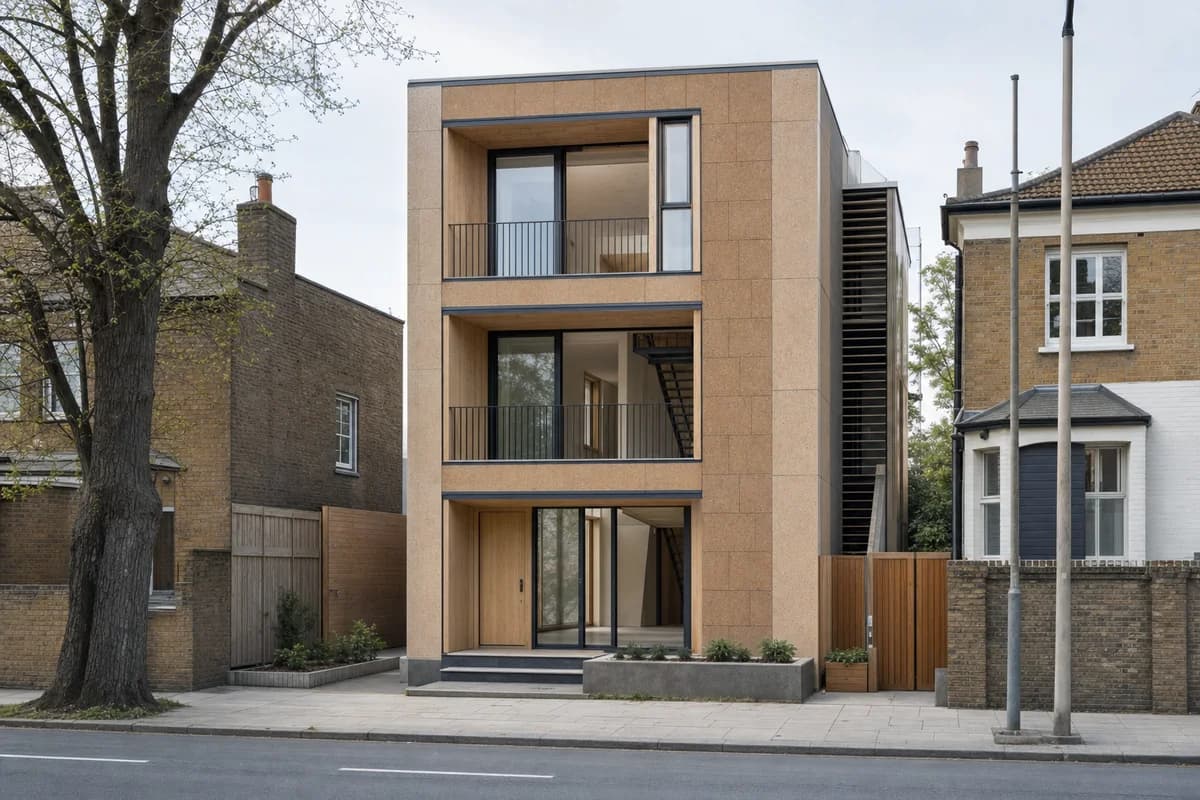
How do you build a competition render set under deadline?
Fix the board story before rendering the full set. That keeps each iteration attached to a decision.
Write the board argument
State the design idea in one sentence and assign each planned image one supporting job.Save every camera
Fix the crop, horizon, lens, visible options, and aspect ratio in the model.Choose one visual direction
Set the shared palette, materials, light, landscape, entourage, and level of finish.Develop the hero first
Resolve the focal point and atmosphere before spreading the direction across supporting views.Render each verified source
Use one source image per camera and apply the same Project Composition across the set.Review the board as one image
Check hierarchy, repetition, scale, geometry, captions, and visual continuity at full size and thumbnail size.
A saved Preset can preserve all five Composition fields. It includes Style, Scene, Lighting, Materials, and Entourage. Apply it as a starting point for each study. Then adjust only what a specific view needs.
Fixed view / daylight study
Test one competition view on a fixed source.
How do you keep several competition images coherent?
Coherence comes from repeated decisions, not identical images. Keep the same material names, tonal range, landscape character, and entourage behavior. Give every camera its own source.
Do not ask one image to invent another side of the building. A generated rear view cannot verify geometry hidden from the source. Return to the model, save the new camera, and capture a clean image. The screenshot preparation guide covers overlays, crop, edge clarity, and camera checks.
The examples below use one synthetic source and one fixed camera. They show how visual language can change without pretending to document several viewpoints.
What makes a strong competition hero image?
A strong hero has one dominant spatial idea. The camera, light, foreground, and occupation should direct attention toward it.
Choose a view that reveals the main move without explanation. Keep the horizon stable. Use a foreground only when it establishes depth or approach. Leave enough quiet space around the focal point for the image to breathe.
Light should explain form before it creates mood. Daylight can reveal facade depth and landscape. Blue hour can clarify arrival and occupation. Reject a dark image when access, scale, or silhouette becomes ambiguous.
People establish use and scale. Give them ordinary tasks and keep them away from important edges. The guide to natural-looking people in architecture renders provides a more detailed placement and review method.
How should competition images sit on the board?
Give the hero more area than supporting views. Align secondary images to a clear grid. Keep similar crops apart when they repeat the same information.
Read the board from a distance before checking details. The first glance should find the project idea and image hierarchy. The second should connect drawings, diagrams, and renders. The final read can carry captions and technical information.
The architecture presentation board guide covers sheet size, framing, reading order, and print checks. Use the Presentation Board Planner to test image roles and layout before export. The tool keeps layout work separate from this article's image-direction task.
What should you review before submission?
Review the render against the design before reviewing its atmosphere. A jury may forgive an interpretive style. It cannot infer which visible changes were accidental.
- Compare the camera, crop, horizon, and perspective with the source.
- Check massing, levels, roof edges, openings, stairs, and entrances.
- Review circulation, accessible routes, thresholds, and landscape edges.
- Check people, furniture, trees, and vehicles for plausible scale.
- Compare material boundaries and repeated elements across the set.
- Remove image artifacts, false text, duplicated figures, and broken shadows.
- Confirm every required drawing still comes from the verified model.
- Read the final board at presentation size and thumbnail size.
The client render review checklist adds a pass, correct, or defer decision for images used beyond a competition.
What can AI renders not do for a competition?
AI renders cannot design the scheme, verify compliance, or author technical drawings. They cannot confirm dimensions, assemblies, structure, access, fire strategy, daylight performance, or material specification.
Generated images may also shift visible geometry. They can move openings, change railings, duplicate people, and invent signs. A convincing surface can hide those errors. Keep the model, drawings, competition brief, and required submission rules authoritative.
Use images to communicate the design. Use verified drawings and calculations to support claims that must be exact.
Questions about architecture competition renders
What should an architecture competition render show?
Show the central design idea, spatial hierarchy, scale, and intended use. Give each supporting image a separate job.
Should competition renders be conceptual or photoreal?
Use concept images for open ideas and a photoreal hero for developed material and atmosphere. Keep one visual direction across both.
How do I keep a competition render set consistent?
Reuse one Composition and material language. Save one verified source image for every camera. Review the complete set together.
Can AI renders carry a competition entry alone?
No. They can communicate atmosphere and visual direction. The model, drawings, calculations, brief, and submission rules remain authoritative.